Guilt-Free Cravings: How to Find Balance in Your Snacking


Guilt-Free Cravings: How to Find Balance in Your Snacking
We’ve all been there — that mid-afternoon slump or late-night craving for something sweet, salty, or crunchy. Cravings are a natural part of how we eat and live, but they can also bring guilt if we feel like we’ve “given in.” Instead of fighting them, you can learn to understand your cravings and find a balance that allows room for both enjoyment and nourishment.
Cravings Aren’t the Enemy
Cravings happen for many reasons. Sometimes they’re about hunger, but often they’re tied to emotions, habits, or simply the desire for pleasure. Your body and brain work together to seek reward, and food is one of the most immediate ways to get it.
It’s important to remember that cravings aren’t a sign of weakness — they’re a signal. When you learn to listen, you can better understand what your body and mind need. Maybe you’re low on energy, maybe you’ve had a stressful day, or maybe you just want something that tastes good. All of those are valid.
Learn to Tell Hunger from Desire
A helpful first step is to become aware of what’s driving your urge to snack. Ask yourself:
- Am I physically hungry, or do I just want something specific?
- How does it feel in my body — an empty stomach or restlessness in my mind?
- What have I eaten so far today?
If you often crave snacks late in the day, it might mean you’re not eating enough or not eating regularly. Try to have balanced meals with protein, fiber, and healthy fats — they help stabilize blood sugar and reduce the urge to graze.
Make Room for Enjoyment — Mindfully
Finding balance isn’t about restriction; it’s about making conscious choices. If you really want chocolate, have a piece — slowly, and with attention. When you allow yourself to enjoy food, you’re less likely to overeat later.
You can also experiment with healthier options that still satisfy your cravings:
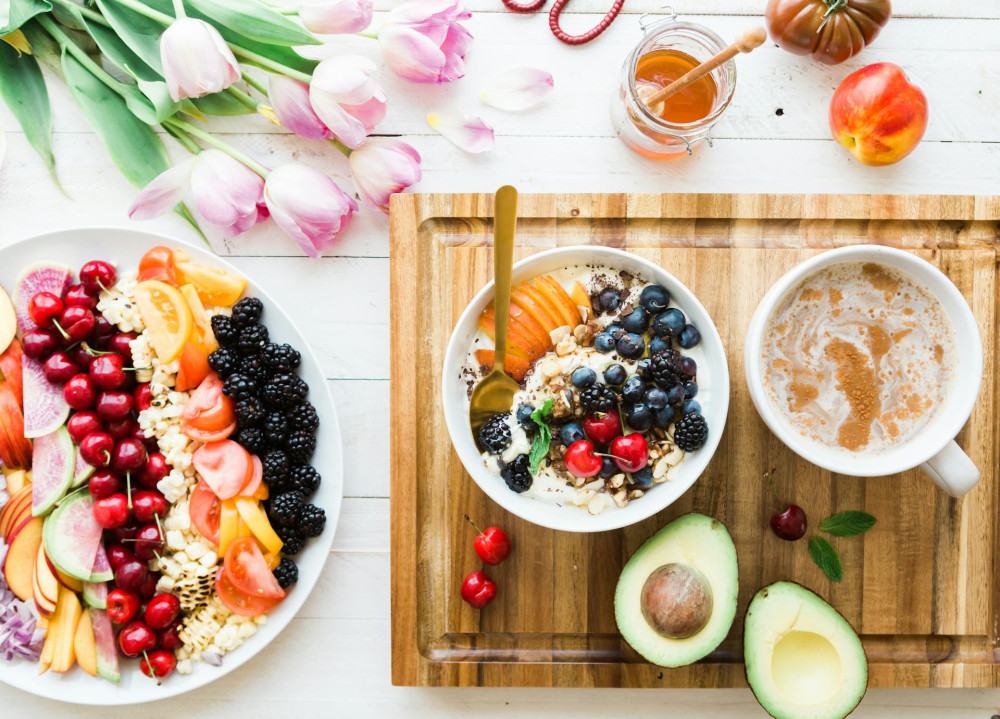
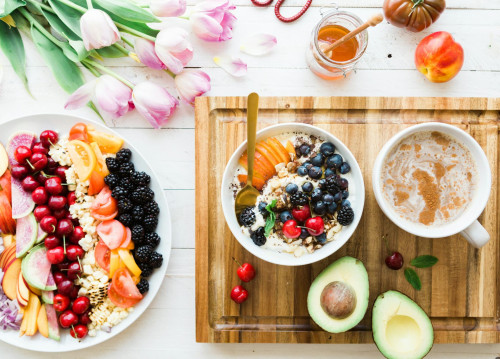
- Fresh fruit with a bit of dark chocolate or a handful of nuts
- Crunchy veggie sticks with hummus
- A cup of herbal tea with a drizzle of honey when you want something sweet
The key is to avoid an “all or nothing” mindset. A balanced approach makes it easier to maintain healthy habits over time.
Know Your Triggers
Many cravings show up in specific situations — while watching TV, after a stressful workday, or when you’re bored. Try to notice the patterns. Once you know your triggers, you can find other ways to respond.
If you tend to eat to soothe emotions, try going for a walk, calling a friend, or taking a few deep breaths instead. It’s not about eliminating the craving, but about giving yourself more options for how to handle it.
Create an Environment That Supports You
It’s easier to make good choices when your surroundings help you. Stock your fridge and pantry with foods you enjoy and feel good about eating, and make healthy options easy to grab. At the same time, keep a little of what you truly love — so you don’t feel like you have to “sneak” it.
Finding balance also means letting go of perfectionism. No one eats “perfectly” all the time, and you don’t have to either. What matters most is that you feel good about your choices and in control — without turning food into a battle.
Læs også:



A Healthier Relationship with Food
When you start to understand your cravings, you can see them as part of a healthy relationship with food — not something to fight against. It’s about finding the rhythm between enjoyment and nourishment, between awareness and freedom.
Eating with balance means you can savor a cookie and a salad — without guilt. They’re not opposites, but parts of the same whole: a life where food brings energy, comfort, and joy.
Læs også: