Jewelry Materials in Harmony: Creating Balance Between Metal, Textile, and Natural Elements


Jewelry Materials in Harmony: Creating Balance Between Metal, Textile, and Natural Elements
Jewelry is more than decoration—it’s a form of storytelling, craftsmanship, and self-expression. In recent years, many American jewelry designers and DIY enthusiasts have embraced the art of mixing materials in unexpected ways. Metal, textile, and natural elements like wood, stone, and shells are being combined to create pieces that feel both modern and deeply personal. But how do you achieve balance among such different materials so the result feels cohesive rather than chaotic? Here’s how to bring harmony to your designs by understanding the strengths and contrasts of each material.
Metal – Structure and Shine as the Foundation
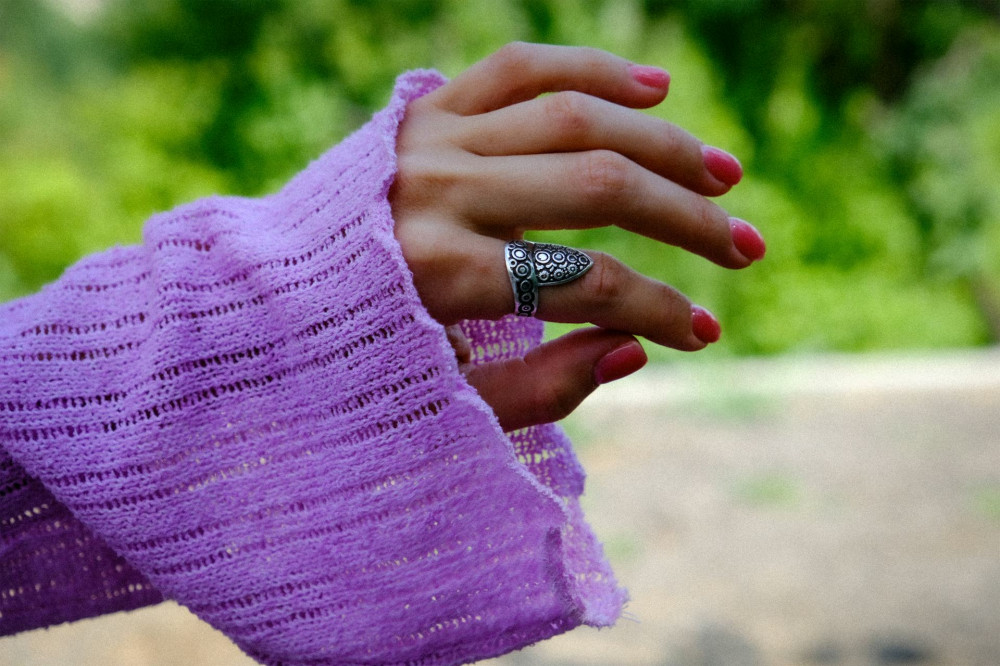
Metal often forms the backbone of a jewelry piece. It provides structure, durability, and a visual anchor that supports lighter materials. Silver, brass, copper, and gold-filled metals are popular choices in the U.S. because they can be polished to a high shine or left with a matte or oxidized finish for a more rustic look.
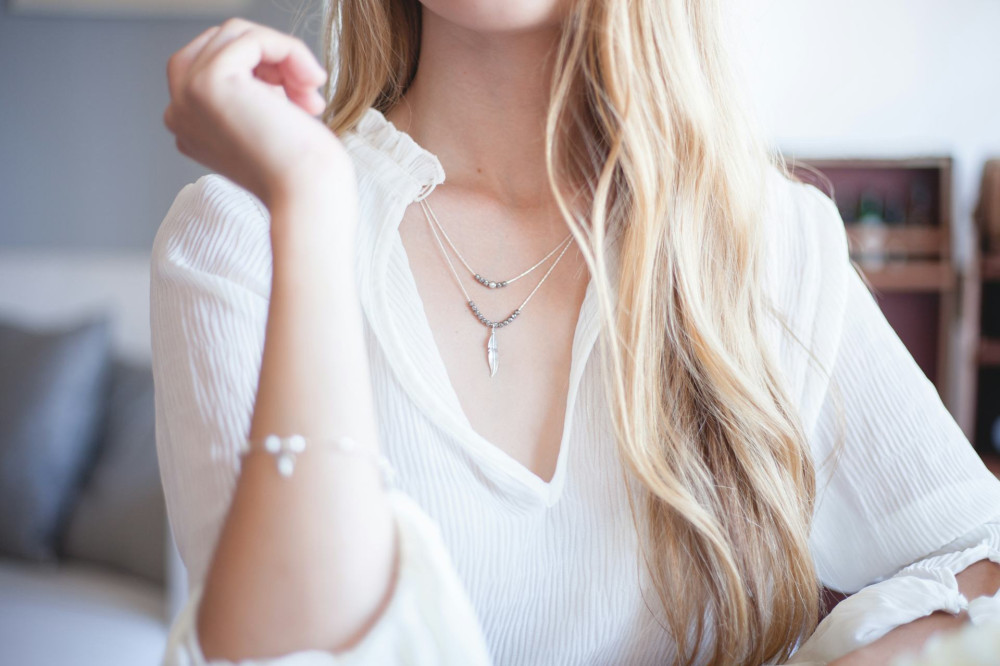
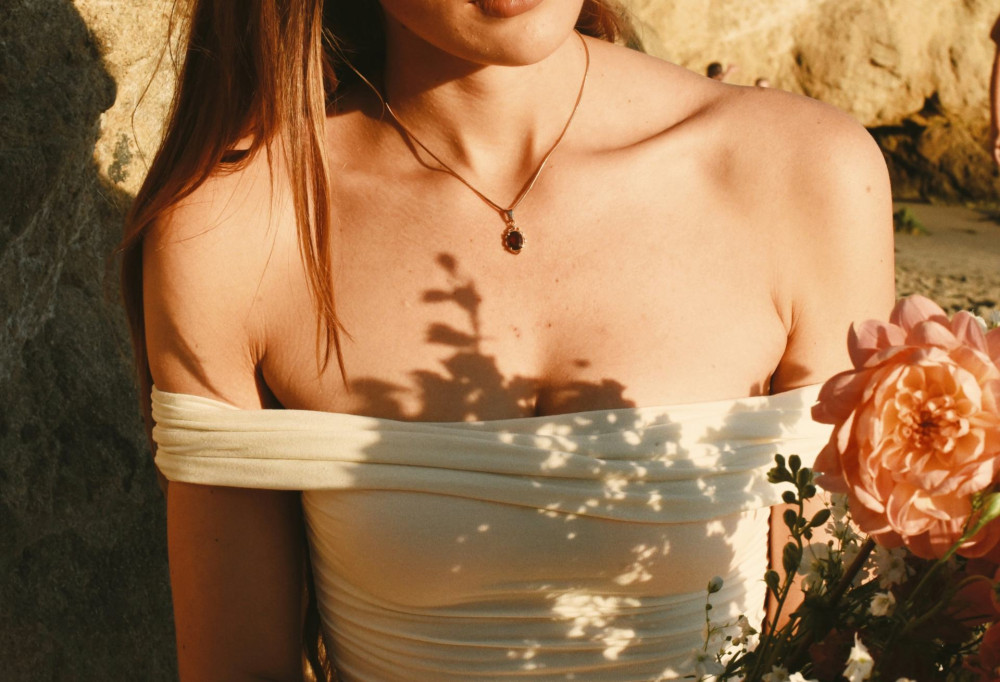
When pairing metal with softer materials, think about proportion. A bold metal pendant can be balanced by a textile cord or ribbon in a natural tone. Conversely, small metal accents—like jump rings, beads, or clasps—can add refinement to an otherwise organic design.
A helpful approach is to let metal act as a frame or contrast rather than the dominant feature. This allows the other materials to breathe and gives the piece a sense of visual rhythm.
Textile – Softness, Color, and Movement
Textiles bring warmth, flexibility, and texture to jewelry design. They can range from silk cords and cotton threads to woven fabrics, leather strips, or embroidered details. Textiles open up a world of color and pattern that metal alone can’t provide.
A braided leather bracelet can gain sophistication with small metal beads or rings. Or you might use a piece of fabric as a backdrop for a metal charm, highlighting the contrast between soft and hard surfaces.
Durability is key when working with textiles. Choose materials that can withstand wear and consider how they’ll age over time. Some fabrics develop a beautiful patina, while others may fade or fray. Embracing these changes can add character—especially if you plan for them from the start.
Natural Elements – Organic Forms and Earthy Tones
Natural materials like wood, stone, horn, shells, and dried botanicals add an organic and tactile quality to jewelry. They bring nature’s unpredictability into your design—no two pieces are ever exactly alike, which makes each creation unique.
Wood adds warmth and texture, especially when paired with cool-toned metals. Stones and minerals contribute weight and color variation, while shells and mother-of-pearl reflect light in ways reminiscent of ocean waves.
When using natural materials, consider their origin and treatment. Opt for sustainably sourced or reclaimed materials whenever possible, and avoid coatings that mask their natural beauty. This not only enhances authenticity but also gives your jewelry a story worth telling.
Finding Balance Through Contrast
It may seem counterintuitive, but harmony in jewelry design often comes from contrast. The goal is to let materials highlight one another rather than compete.
- Mix smooth and rough: A polished metal surface next to a matte stone creates visual tension.
- Play with temperature: Cool silver tones balance beautifully with the warmth of wood or leather.
- Repeat small details: Repetition of metal rings or textile threads can create rhythm and unity.
- Think in layers: Build your design in levels—structure, color, movement, and shine—so each material has a clear role.
Experimenting with these principles helps you discover your own sense of aesthetic balance.
From Concept to Finished Piece
Start with an idea or mood—perhaps inspired by nature, a favorite outfit, or a color palette. Lay out your materials and see how they interact. Sometimes the best combinations happen by accident.
You don’t need elaborate tools to begin. Pliers, needles, glue, and thread can take you far. And remember, perfection isn’t the goal. Handcrafted jewelry should show traces of the process—that’s what gives it soul and authenticity.
Once your piece is complete, think about presentation. A neutral background highlights the interplay of materials, while natural light brings out the luster of metal and the texture of fabric.
Læs også:

Jewelry with Personality and Story
Blending metal, textile, and natural elements isn’t just about aesthetics—it’s about creating something meaningful. Each material carries its own story, and when they come together, new narratives emerge.
A piece of jewelry can evoke a memory, a place, or a person. It can be a small wearable artwork that reflects both craftsmanship and emotion.
When you find harmony among materials, you also find harmony between the raw and the refined, the human-made and the natural. And that’s where the true magic of modern jewelry design begins.
Læs også: