Sweat and Body Odor Explained – and How Deodorant Works


Sweat and Body Odor Explained – and How Deodorant Works
Sweating is a natural and essential way for the body to regulate temperature. Still, many people associate sweat with something unpleasant—especially when it leads to body odor. But why does sweat sometimes smell, and how does deodorant actually help? Here’s a closer look at what’s happening in your body and how to stay fresh and confident throughout the day.
Why We Sweat
Sweat is your body’s built-in cooling system. When your temperature rises—whether from exercise, heat, or stress—your sweat glands release fluid that evaporates from the skin, helping to cool you down.
There are two main types of sweat glands:
- Eccrine glands are found all over the body and produce a clear, watery sweat made mostly of water and salt.
- Apocrine glands are concentrated in areas like the underarms and groin. They release a thicker fluid that contains proteins and fats.
It’s primarily the sweat from apocrine glands that can lead to odor—but not on its own.
Sweat Doesn’t Smell—Bacteria Do
Fresh sweat is actually odorless. The familiar “body odor” develops when bacteria on your skin break down the organic compounds in sweat. During this process, they produce small amounts of volatile substances that have a sharp or sour smell.
That’s why two people who sweat the same amount can smell completely different. Your skin’s bacterial balance, diet, hormones, and genetics all play a role. Even stress can change how your sweat smells, since stress-related sweat tends to contain more proteins that bacteria love to feed on.
Deodorant vs. Antiperspirant – What’s the Difference?
People often use the words “deodorant” and “antiperspirant” interchangeably, but they work in different ways.
- Deodorant fights odor. It contains antibacterial ingredients that reduce the growth of odor-causing bacteria and often includes fragrance to mask any remaining smell.
- Antiperspirant reduces the amount of sweat itself. It uses aluminum-based compounds that temporarily block the sweat glands, so less moisture reaches the skin’s surface.
Many products combine both functions, giving you protection from both sweat and odor.
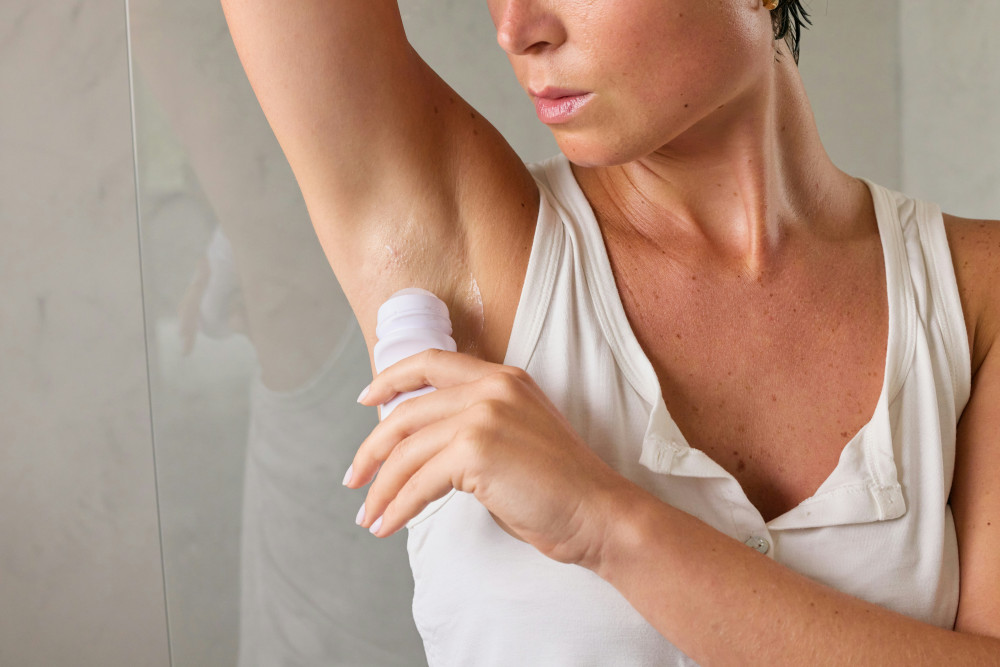
How Deodorant Works in Practice
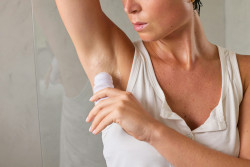
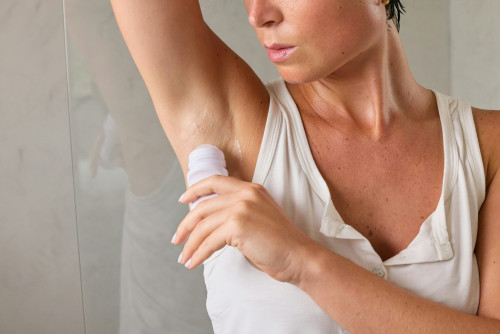
When you apply deodorant, you’re creating a thin layer of active ingredients on your skin. The antibacterial agents—such as alcohol, triclosan, or natural alternatives like tea tree oil—help prevent bacteria from multiplying.
If the product is also an antiperspirant, the aluminum salts form tiny plugs in the sweat ducts. These dissolve naturally when you wash, so the effect is temporary and safe for the body.
Most deodorants also include moisturizing ingredients to protect the skin, especially after shaving.
Læs også:


Myths and Facts About Deodorant
There are plenty of myths surrounding deodorants and antiperspirants—especially about their safety. Scientific research shows that the aluminum salts used in antiperspirants are safe in the amounts approved for cosmetic use.
Another common misconception is that sweating is necessary to “detox” the body. In reality, sweat’s main purpose is temperature control, not detoxification. Your liver and kidneys handle waste removal, not your sweat glands.
Choosing the Right Deodorant
The best product for you depends on your skin type, activity level, and personal preferences:
- For sensitive skin: Choose a fragrance-free, alcohol-free deodorant.
- For heavy sweating or active lifestyles: Go for a long-lasting antiperspirant.
- For a natural option: Look for deodorants made with mineral salts or plant-based antibacterial ingredients.
- For everyday use: A mild deodorant with a light scent is often enough.
The key is finding something that feels comfortable on your skin and fits your daily routine.
Good Habits for Staying Fresh
Even the best deodorant works best when paired with good hygiene. Wash your underarms daily with mild soap, and make sure your skin is completely dry before applying deodorant. Change clothes regularly—especially after workouts—and choose breathable fabrics like cotton or merino wool that allow air to circulate.
If you experience excessive sweating or persistent odor, talk to your doctor. Medical treatments for excessive sweating (hyperhidrosis) are available and can make a big difference.
In Short
Sweating is a natural and healthy process, but odor only appears when bacteria get involved. Deodorants and antiperspirants help by reducing bacteria and controlling sweat. With the right product and a few good habits, you can stay fresh, dry, and confident all day long.
Læs også: