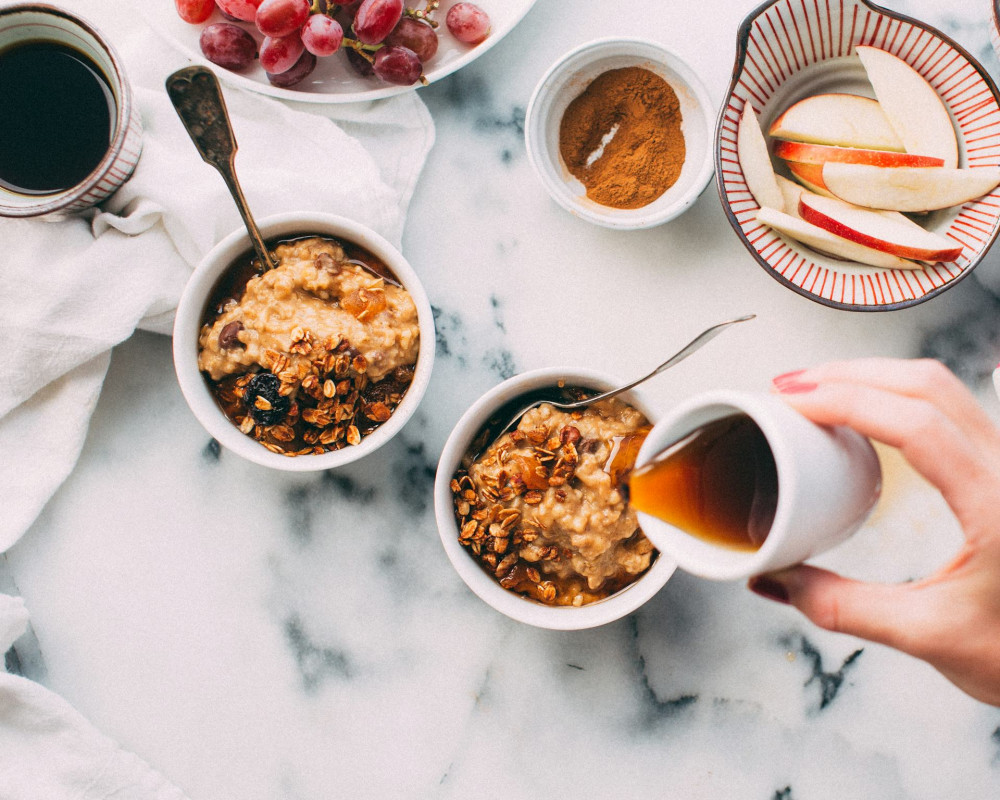
Eat with Your Senses: Discover the Joy of Healthy Food Through Color, Flavor, and Texture

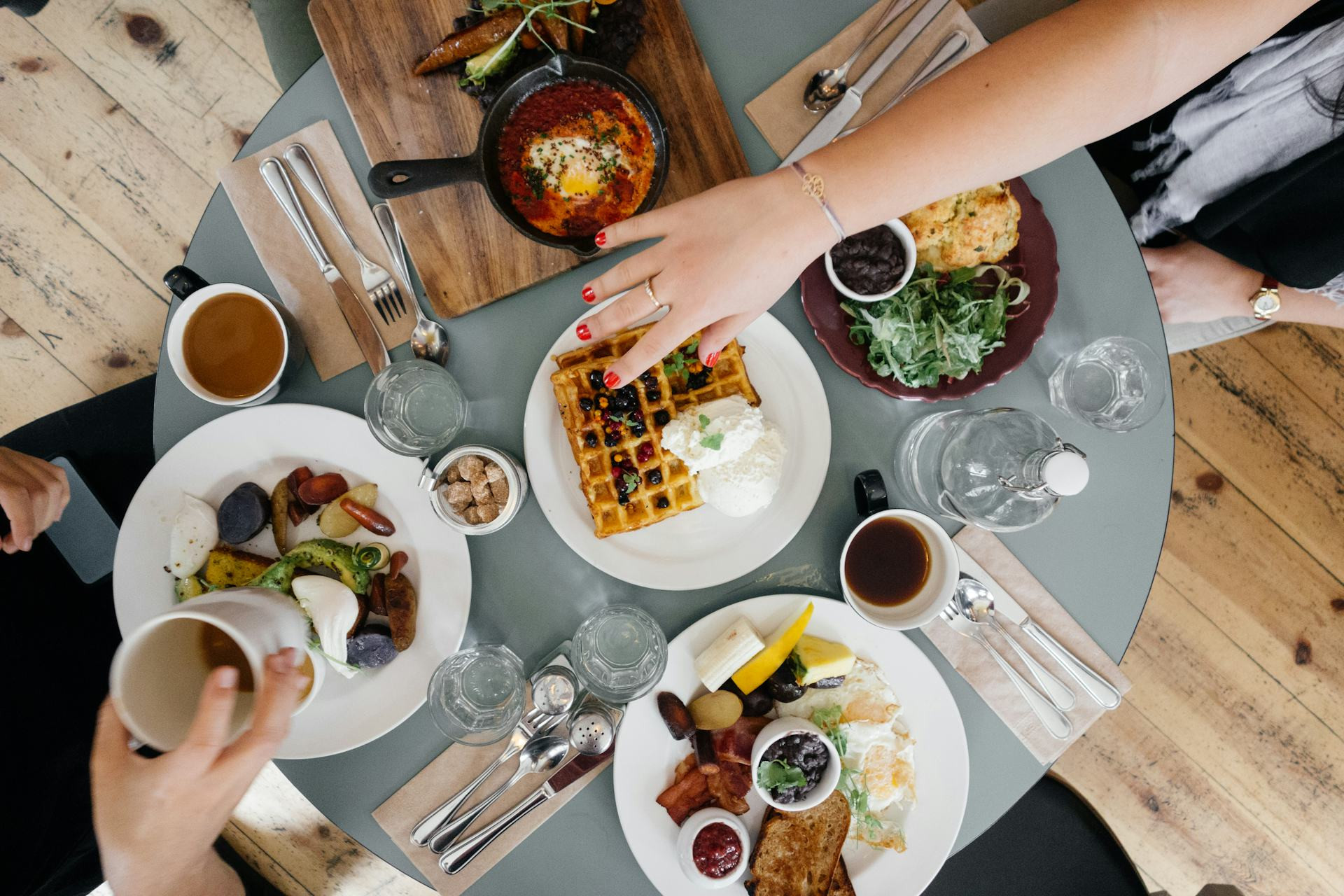
Eat with Your Senses: Discover the Joy of Healthy Food Through Color, Flavor, and Texture
Healthy eating isn’t just about nutrients and calories—it’s about experience. When we engage all our senses at the table, food becomes more than fuel; it becomes a source of joy, comfort, and connection. The colors, aromas, flavors, and textures of a meal work together to shape how satisfied and energized we feel. Here’s how you can turn everyday meals into sensory experiences that nourish both body and mind.
Color That Invites You to Eat
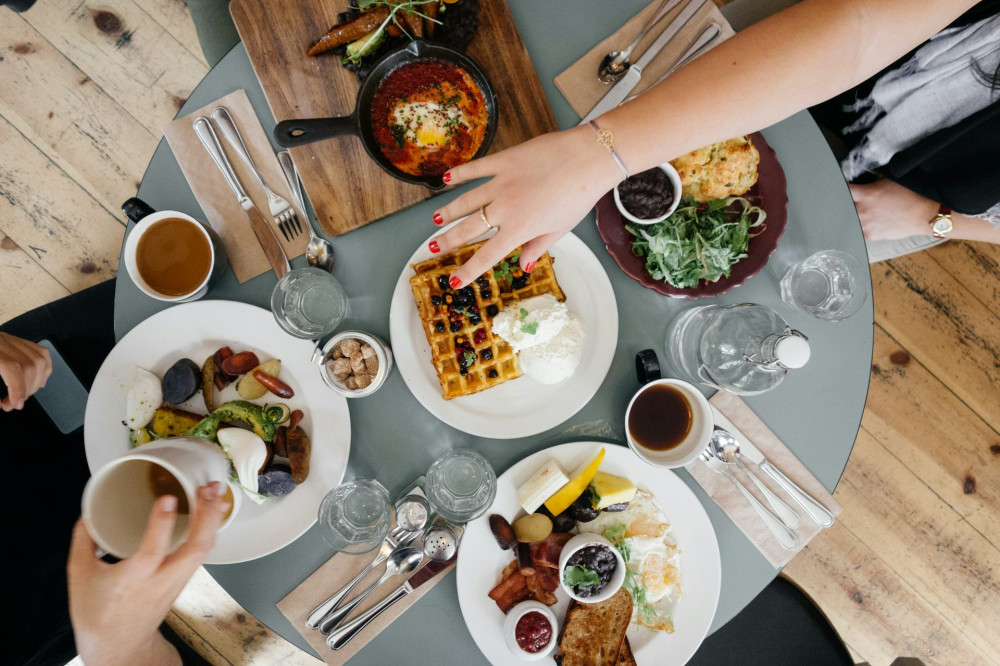
We eat with our eyes first. A colorful plate signals freshness and variety—and often means you’re getting a wide range of vitamins and antioxidants. Deep greens like spinach and kale are rich in iron and folate, while reds and oranges from tomatoes, carrots, and bell peppers provide beta-carotene and vitamin C.
Think of your plate as a canvas: contrast dark and light shades, crisp and soft elements. A salad with kale, roasted beets, orange slices, and toasted pecans isn’t just beautiful—it’s a nutrient-packed dish that awakens your appetite and supports your health.
The Power of Aroma
The smell of food is often what draws us to the table. The scent of fresh herbs, garlic sizzling in olive oil, or bread baking in the oven can instantly make us hungry. Aroma and taste are deeply connected—many of the “flavors” we perceive actually come from our sense of smell.
Use fresh herbs, citrus zest, and spices to bring your dishes to life. They add depth and excitement while helping you rely less on salt or sugar. A sprinkle of rosemary on roasted potatoes or a hint of lime zest on grilled fish can transform a simple meal into something memorable.
Flavor as a Balancing Act
A truly satisfying meal balances the five basic tastes: sweet, sour, salty, bitter, and umami. When these elements work together, food feels harmonious and complete.
- Sweet can come from roasted vegetables, fruit, or a drizzle of honey.
- Sour from lemon juice, vinegar, or fermented foods like kimchi.
- Salty from sea salt, olives, or cheese.
- Bitter from greens like arugula or dark chocolate.
- Umami from mushrooms, tomatoes, soy sauce, or aged cheese.
Experiment with combinations. A roasted vegetable bowl becomes more exciting with a squeeze of lemon and a touch of sweetness from balsamic glaze. Balancing flavors keeps your palate engaged and helps you appreciate the natural taste of whole foods.
Texture: The Forgotten Sense
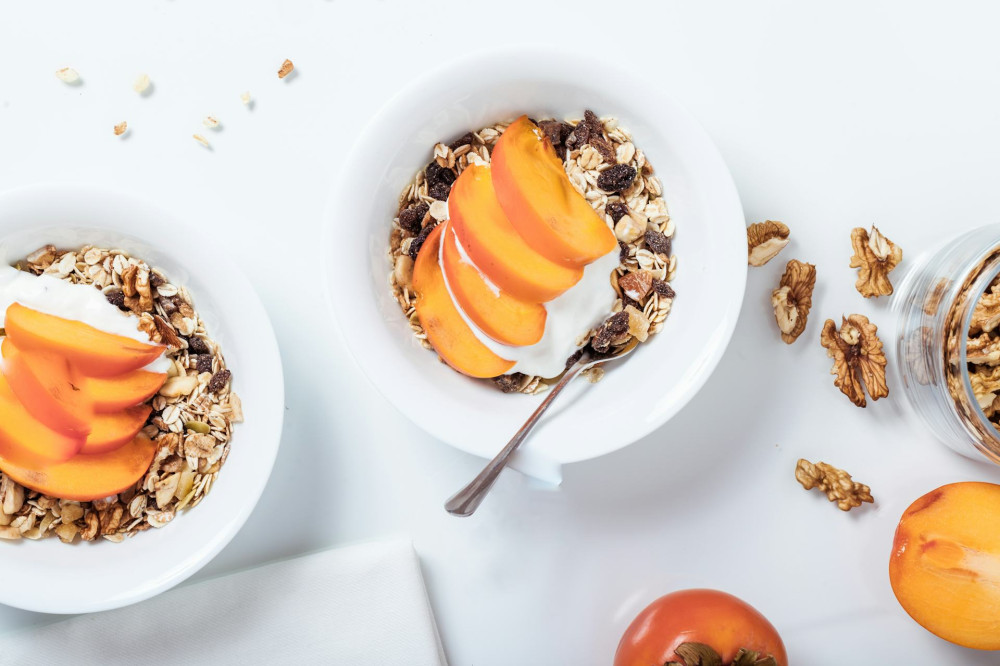
Texture adds another layer of pleasure to eating. Crunchy, creamy, chewy, and smooth elements create contrast and make meals more satisfying. A creamy soup feels more complete with a topping of toasted seeds, and a crisp apple slice can brighten a soft cheese platter.
When planning a meal, think about how textures interact. Mixing crunchy nuts with tender greens or pairing a crisp crust with a soft filling keeps your senses alert and encourages mindful eating.
Eat with Presence
Eating with your senses also means slowing down and being present. Put away your phone, take a deep breath, and notice what’s in front of you. How does your food smell? What colors do you see? What sounds do you hear as you chew? The more attention you give to your meal, the more satisfied you’ll feel—and the easier it becomes to recognize when you’re full.
Mindful eating isn’t about restriction; it’s about rediscovering the pleasure of food. It helps improve digestion, reduces stress, and strengthens your relationship with what you eat.
Læs også:


Make Every Meal an Experience
Creating a sensory meal doesn’t require fancy recipes or expensive ingredients. It’s about intention—setting the table, using fresh produce, and taking time to enjoy the process. Even a simple breakfast can feel special when you slow down and savor it.
When you eat with your senses, healthy food stops being a chore and becomes a celebration. You’ll find that nourishment and enjoyment can go hand in hand—and that every bite has the power to delight.
Læs også: