Plant-Based Living: The Most Nutritious and Versatile Foods for a Balanced Diet


Plant-Based Living: The Most Nutritious and Versatile Foods for a Balanced Diet
More Americans are embracing plant-based eating—whether for health, environmental, or ethical reasons. But how do you make sure your meals remain balanced, satisfying, and full of nutrients? A plant-based lifestyle isn’t just about cutting out meat; it’s about building meals that nourish your body and keep you energized. Here’s a guide to some of the most nutritious and versatile plant-based foods—and how to make them part of your everyday diet.
Legumes – Protein and Fiber Powerhouses
Legumes such as lentils, beans, chickpeas, and peas are the foundation of a plant-based diet. They’re rich in protein, fiber, iron, and B vitamins, and they can be used in everything from soups to salads and spreads.
- Lentils cook quickly and don’t require soaking. They’re perfect for soups, stews, or veggie burgers.
- Chickpeas can be tossed into salads, blended into hummus, or roasted for a crunchy snack.
- Black beans and kidney beans add heartiness to tacos, chili, and burrito bowls.
A helpful tip: cook a large batch and freeze portions for quick, protein-rich meals throughout the week.
Whole Grains – Long-Lasting Energy and Fullness
Whole grains like oats, brown rice, quinoa, and barley provide slow-releasing energy and are packed with fiber, magnesium, and antioxidants. They help stabilize blood sugar and keep you feeling full longer.
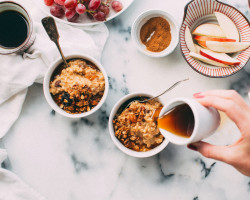
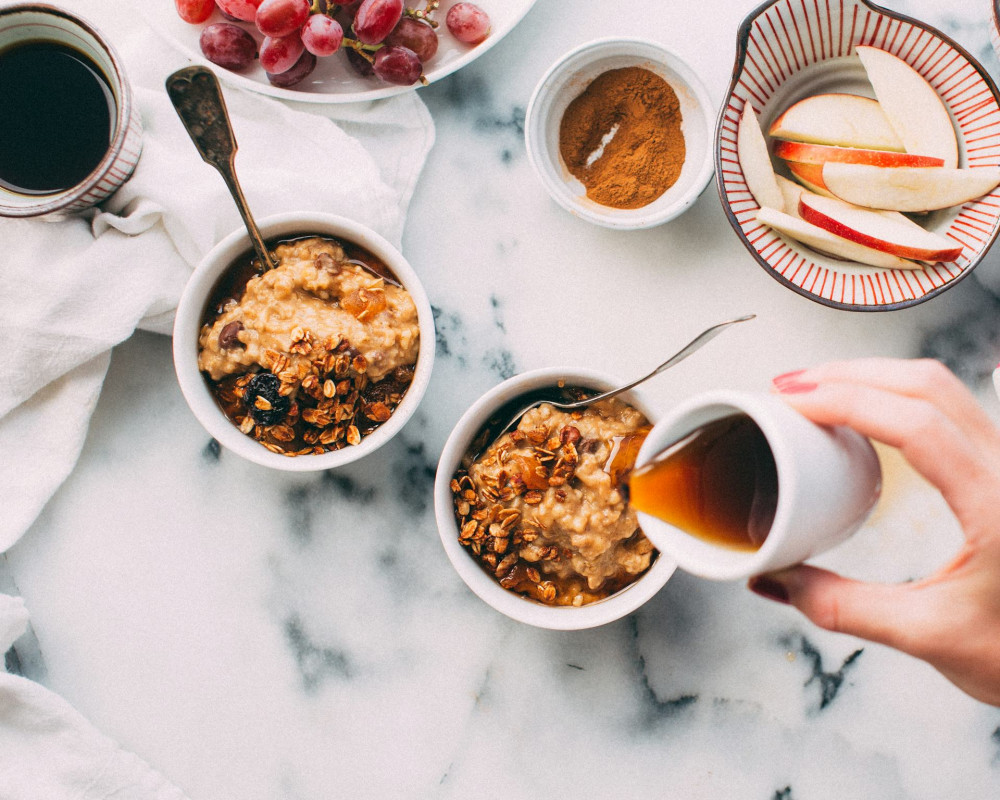
- Oats are a breakfast staple but also work well in baking or homemade energy bars.
- Quinoa is a complete protein, meaning it contains all essential amino acids. Use it in salads, as a side dish, or in veggie patties.
- Brown rice and barley are great bases for grain bowls or hearty soups.
Mixing up your grain choices adds both flavor and a wider range of nutrients to your meals.
Nuts and Seeds – Small but Mighty
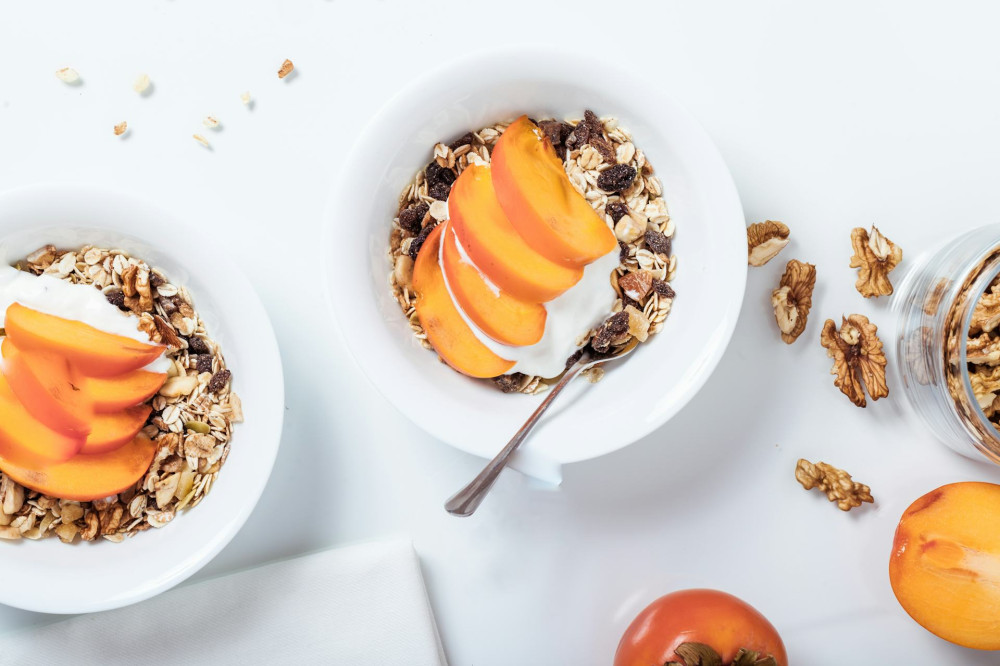
Nuts and seeds are nutrient-dense sources of healthy fats, protein, vitamin E, and minerals like zinc and selenium. They’re great as toppings, in baked goods, or as bases for plant-based dressings and spreads.
- Almonds and walnuts make excellent snacks or salad additions.
- Chia seeds and flaxseeds are rich in omega-3 fatty acids and can be added to smoothies, oatmeal, or used as an egg substitute in baking.
- Pumpkin seeds and sunflower seeds add crunch and nutrition to everything from bread to stir-fries.
A small handful a day is enough—these foods are calorie-dense but incredibly beneficial.
Læs også:


Colorful Vegetables – Nature’s Vitamin Palette
The more colors on your plate, the more diverse your nutrient intake. Vegetables are the cornerstone of a plant-based diet, and variety is key.
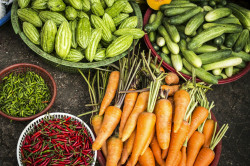
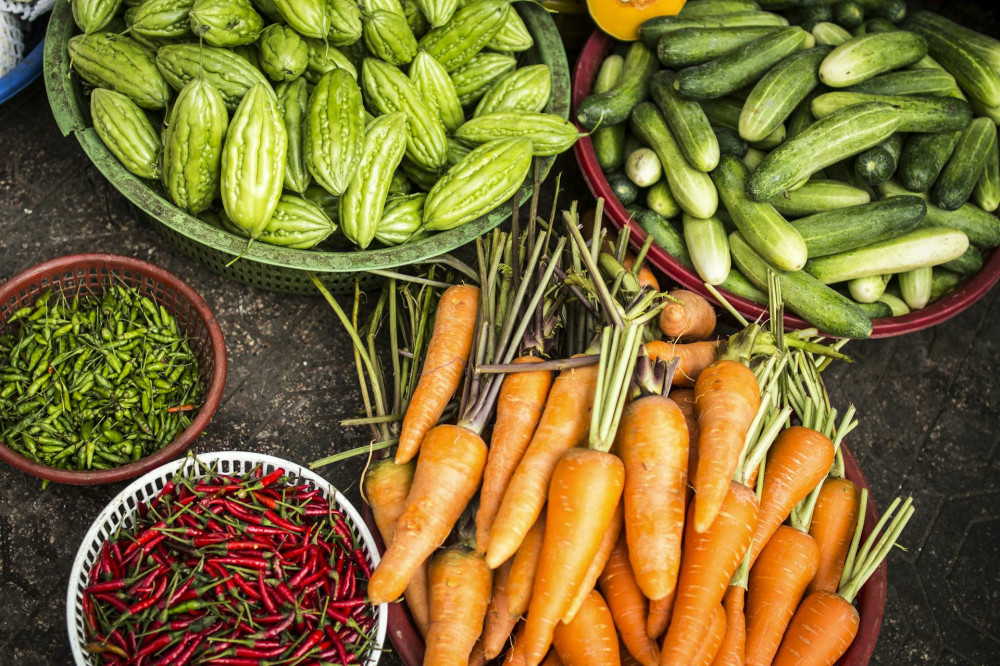
- Dark leafy greens like spinach, kale, and broccoli are rich in calcium, iron, and vitamin K.
- Red and orange vegetables such as carrots, bell peppers, and tomatoes provide beta-carotene and vitamin C.
- Root vegetables like beets, sweet potatoes, and parsnips add natural sweetness and texture, especially when roasted.
A good rule of thumb: fill half your plate with vegetables at every meal.
Plant-Based Fats – For Heart and Brain Health
Healthy fats are essential for hormone balance, cell function, and the absorption of fat-soluble vitamins. In a plant-based diet, they come mainly from avocados, olive oil, nuts, and seeds.
- Use avocado as a spread, in salads, or as a creamy base for dressings.
- Choose extra-virgin olive oil for cooking and drizzling over dishes.
- Try tahini (sesame paste) or nut butters for flavorful sources of fat and protein.
These fats not only support your health but also enhance the taste and texture of plant-based meals.
Planning and Variety – The Keys to Balance
A balanced plant-based diet takes a bit of planning, but it quickly becomes second nature. Combine different food groups to ensure you’re getting enough protein, iron, calcium, and omega-3s.
A simple guideline is the “plate method”: half vegetables, one-quarter whole grains, and one-quarter protein-rich plants. Add healthy fats and fruit throughout the day.
If you follow a fully vegan diet, consider taking a vitamin B12 supplement, and possibly vitamin D, as these nutrients are difficult to obtain from plants alone.
Enjoying a Greener Lifestyle
Plant-based eating isn’t about restriction—it’s about discovery. Once you start exploring the variety of flavors and textures plants offer, cooking becomes an adventure. With the right ingredients and a bit of creativity, you can enjoy meals that are nutritious, sustainable, and deeply satisfying—every single day.
Læs også: