Foot Problems Often Start in Your Shoes: Understanding the Link Between Habits and Walking Patterns


Foot Problems Often Start in Your Shoes: Understanding the Link Between Habits and Walking Patterns
Many Americans experience pain in their feet, knees, or hips without realizing that the problem may begin right in their shoes. The footwear we choose—and how we use it—has a major impact on how we move and how our bodies stay balanced. Small changes in walking patterns or shoe choices can, over time, lead to strain, misalignment, and chronic discomfort. The good news is that with a bit of awareness, you can prevent many of these issues before they start.
The Foot – Your Body’s Foundation
Each foot contains 26 bones, 33 joints, and more than 100 muscles, tendons, and ligaments. It’s designed to support, move, and propel the body in a natural rhythm. When we walk barefoot on soft ground, the foot moves dynamically—it adapts to the surface and distributes weight evenly.
Modern footwear, however, often restricts that natural movement. Stiff soles, narrow shapes, and high heels can limit flexibility and alter the way the foot functions. Over time, this can weaken muscles and shift stress to other parts of the body, such as the knees, hips, or lower back.
How Shoes Contribute to Foot Problems
It’s not just high heels that cause trouble. Even flat shoes can be harmful if they don’t provide proper support. Here are some common culprits:
- Shoes that are too narrow squeeze the toes together, leading to bunions, hammertoes, and poor circulation.
- Shoes that are too soft and lack arch support can cause the foot to roll inward (overpronation), straining the knees and hips.
- Shoes with hard soles fail to absorb shock, which can result in heel or arch pain.
- High heels shift the body’s center of gravity and force the forefoot to bear excessive weight.
That doesn’t mean you have to give up your favorite shoes—but it’s worth thinking about how often and how long you wear them.
Habits That Shape the Way You Walk
Most foot problems don’t appear overnight. They develop gradually as a result of daily habits. The way you stand, walk, and move affects your entire body’s mechanics. For example, if you always stand with your weight on one leg or walk with your feet turned outward, you may be creating uneven stress on your joints.
Sedentary lifestyles also play a role. Sitting for long periods reduces muscle activity in the feet and lower legs, slowing circulation and leading to swelling, stiffness, and balance issues. Try to vary your movements throughout the day: take short walks, stretch your feet, and alternate between different types of shoes.
Choosing the Right Shoes for You
Finding the right shoe isn’t just about size—it’s about shape, support, and function. Here are some practical tips:
- Shop for shoes later in the day, when your feet are slightly swollen, to ensure a realistic fit.
- Check the toe space—there should be about half an inch of room so your toes can move freely.
- Look for flexible soles that move with your foot but still provide arch support.
- Avoid high heels for everyday wear—a heel height of about one inch is usually most comfortable.
- Replace worn-out shoes regularly, since old soles and insoles lose their support over time.
If you have specific conditions such as flat feet, plantar fasciitis, or fallen arches, a podiatrist or orthopedic specialist can help you find the right solution.
Strengthen Your Feet Like the Rest of Your Body
Feet are often overlooked in exercise routines, but they need strength and flexibility just like any other muscle group. Simple exercises can make a big difference:
- Roll a small ball under your foot to massage the arch.
- Pick up small objects with your toes to strengthen foot muscles.
- Practice standing on one leg to improve balance and stability.
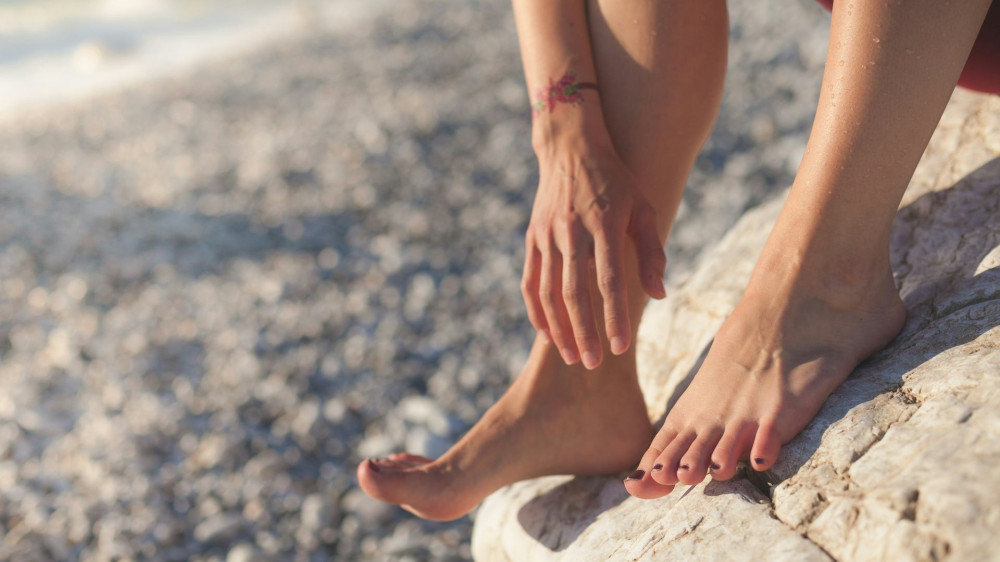
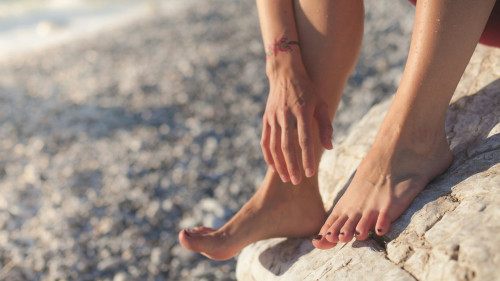
- Walk barefoot on grass or sand when possible—it helps your feet move naturally.
These exercises can be done daily and require no special equipment.
Læs også:


When Pain Has Already Started
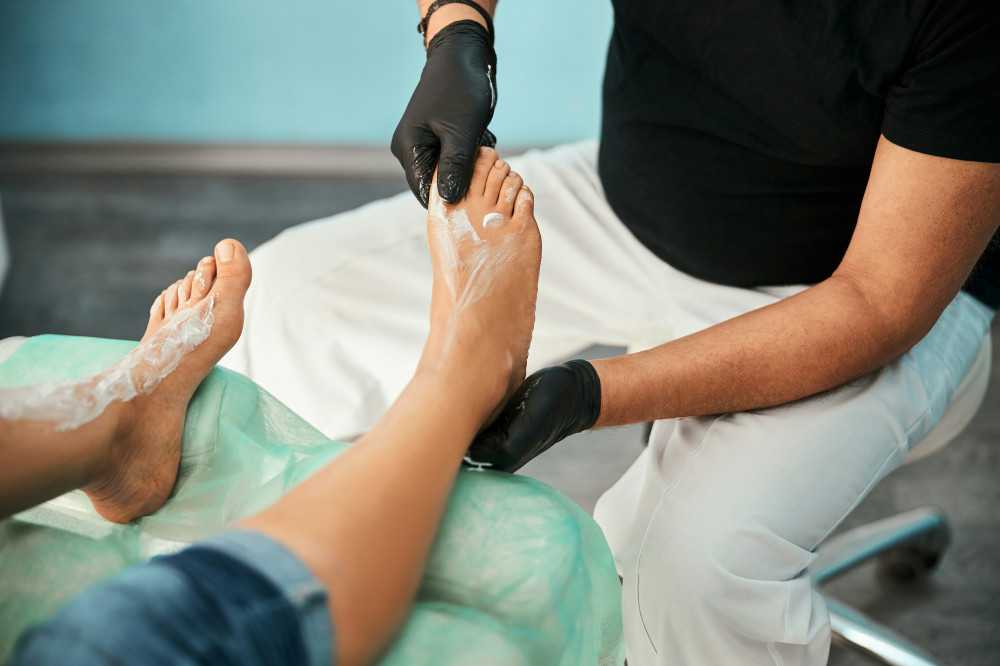
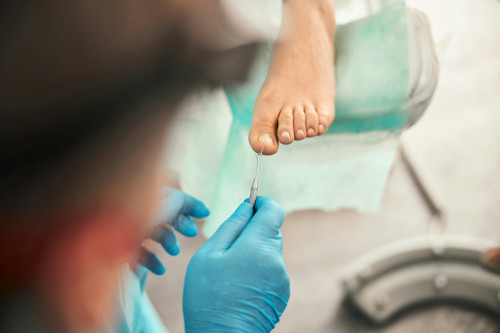
If you’re experiencing persistent pain in your feet, ankles, or lower legs, don’t ignore it. Early attention can prevent the problem from getting worse. A podiatrist can analyze your gait and determine whether you need orthotics, different footwear, or specific exercises.
Treatment often focuses not just on relieving symptoms but on addressing the root cause—which, in many cases, begins with your shoes.
Small Steps Toward Healthier Feet
Caring for your feet doesn’t require drastic changes—just mindful choices. Choose shoes that support your natural movement, give your feet breaks from tight footwear, and pay attention to how you stand and walk. Your feet carry you through life, and they deserve the same care and respect as the rest of your body.
Læs også: