The Quiet Power of the Foot Bath: Gentle, Natural Care Without Fancy Products

The Quiet Power of the Foot Bath: Gentle, Natural Care Without Fancy Products
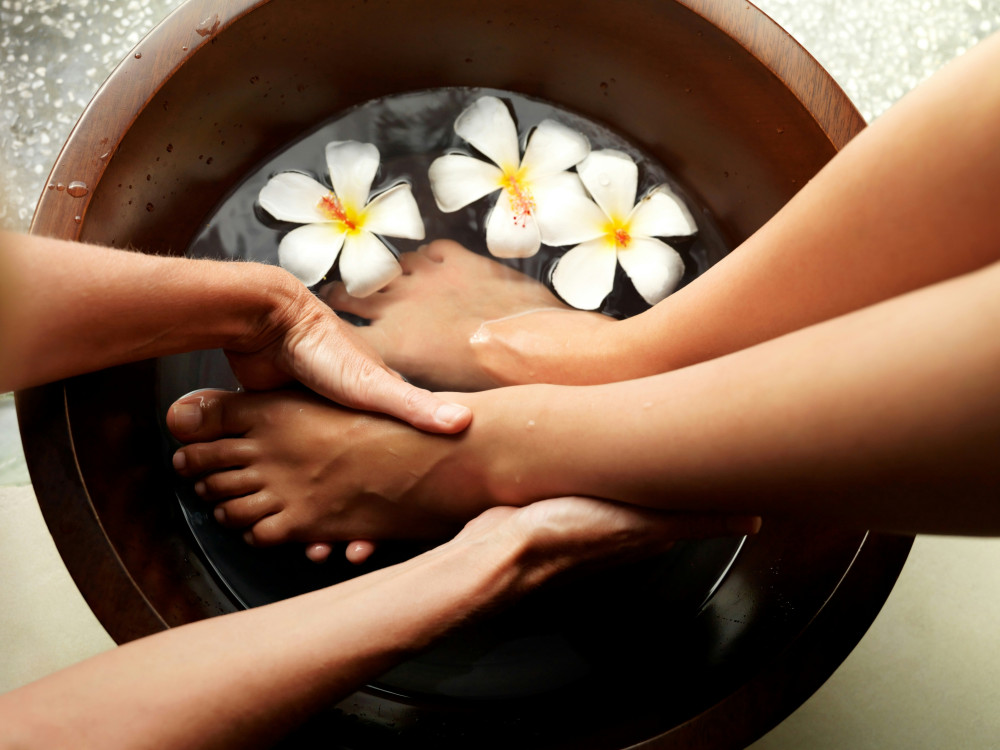
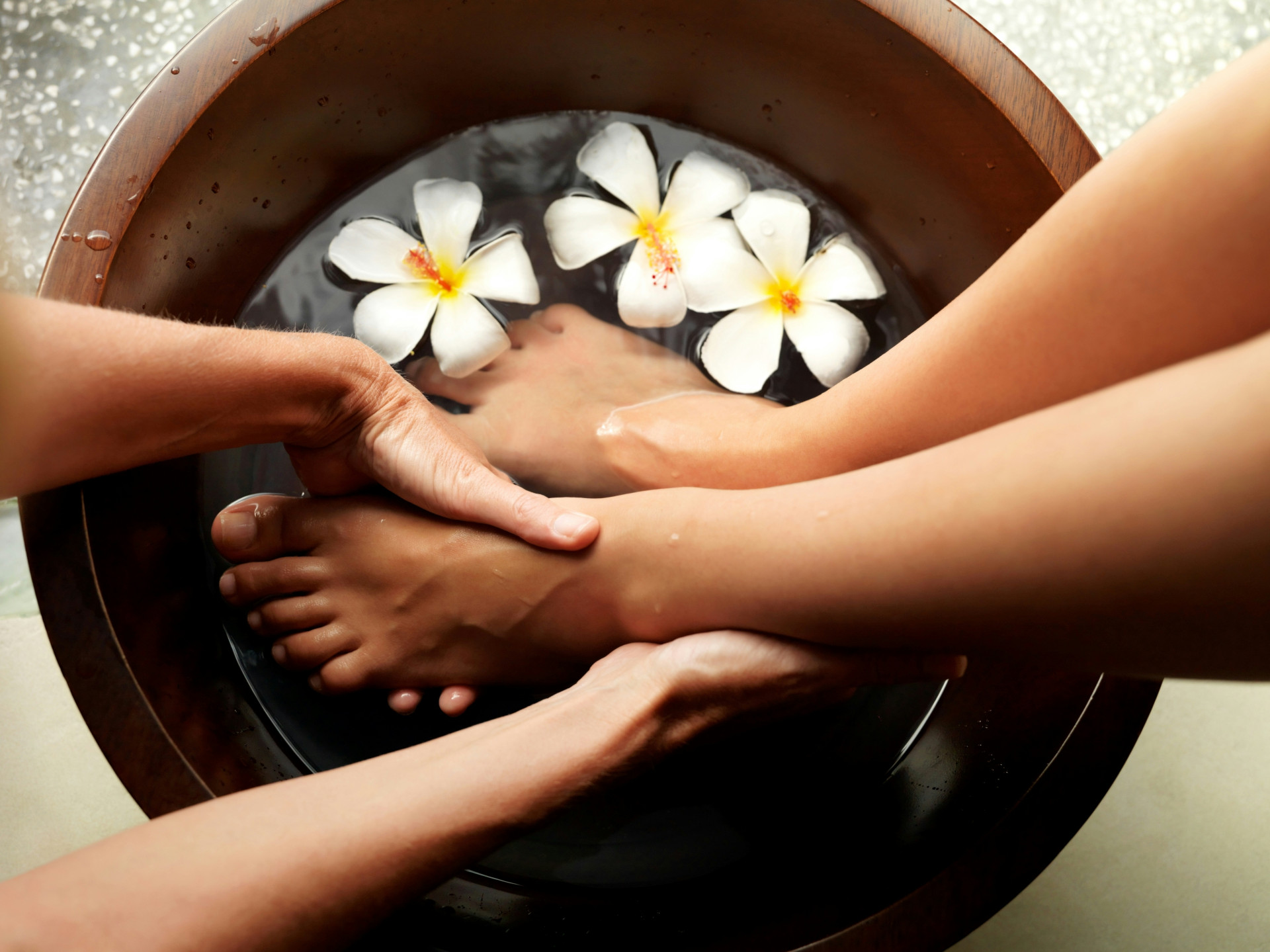
A foot bath is one of the simplest and most underrated forms of self-care. It doesn’t require expensive products or high-end equipment—just warm water, a few minutes of your time, and a willingness to slow down. Yet this small ritual can make a noticeable difference for your comfort, skin, and overall sense of well-being. In a culture that often celebrates speed and convenience, the humble foot bath offers a quiet, natural way to reconnect with your body and unwind.
A Time-Honored Tradition with Modern Meaning
Soaking your feet in warm water is hardly a new idea. Across centuries and cultures, people have used foot baths to cleanse, soothe, and prepare for rest. Today, when many of us spend long hours on our feet or sitting at desks, this simple practice can help restore balance. It’s a moment to literally put your feet up—the same feet that carry you through every busy day.
How to Create a Simple, Effective Foot Bath
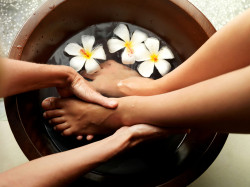
You don’t need a spa setup to enjoy the benefits of a foot soak. Here’s how to make one at home:
- Find a basin or tub large enough to cover your feet up to the ankles.
- Fill it with warm water—around 100–104°F (37–40°C) is ideal.
- Add natural ingredients if you like, such as Epsom salt, a spoonful of baking soda, or a few drops of essential oil like lavender or peppermint.
- Sit back and relax for 10–20 minutes while your feet soak.
- Dry your feet thoroughly, especially between the toes, and finish with a gentle moisturizer or a bit of natural oil.
The key isn’t what you add—it’s the time you give yourself to slow down and feel the warmth spread through your body.
Natural Additions That Make a Difference
While plain water works wonders on its own, a few simple ingredients can enhance the experience:
- Epsom salt helps soften skin and ease tired muscles.
- Baking soda can gently exfoliate and neutralize odor.
- Essential oils like lavender, rosemary, or peppermint add a pleasant scent and a touch of aromatherapy.
- Herbs such as chamomile or thyme can be steeped in a small cloth bag for a calming effect.
These are easy to find in most American kitchens or grocery stores, making the foot bath a natural, affordable part of your self-care routine.
A Small Ritual for Everyday Life
A foot bath isn’t just about physical care—it’s about presence. It can mark the transition from a busy workday to a peaceful evening, or serve as a quiet moment before bed. Many people find that warming the feet helps the whole body relax and even improves sleep.
You can turn it into a small ritual: light a candle, play soft music, and let your thoughts settle. It doesn’t take long, but the sense of calm can last for hours.
Gentle Care for Everyone
A foot bath is suitable for nearly everyone, regardless of age. For those with dry or tired feet, it offers gentle relief. For older adults or anyone with poor circulation, it can help stimulate blood flow. And for anyone simply seeking a moment of peace, it’s a simple act of self-kindness.
Just remember to avoid water that’s too hot, especially if you have diabetes or reduced sensation in your feet. In those cases, it’s best to check with a healthcare provider before soaking.
Læs også:



A Simple Act with Lasting Benefits
In a world full of products, promises, and quick fixes, the foot bath reminds us that the simplest things often work best. All it takes is water, time, and attention—and in return, you get softer skin, lighter steps, and a calmer mind.
The quiet power of the foot bath lies in its simplicity. It’s a gentle reminder that natural care doesn’t have to be complicated—just mindful.
Læs også: