How to Document Your Skin’s Progress After Laser Treatment

How to Document Your Skin’s Progress After Laser Treatment
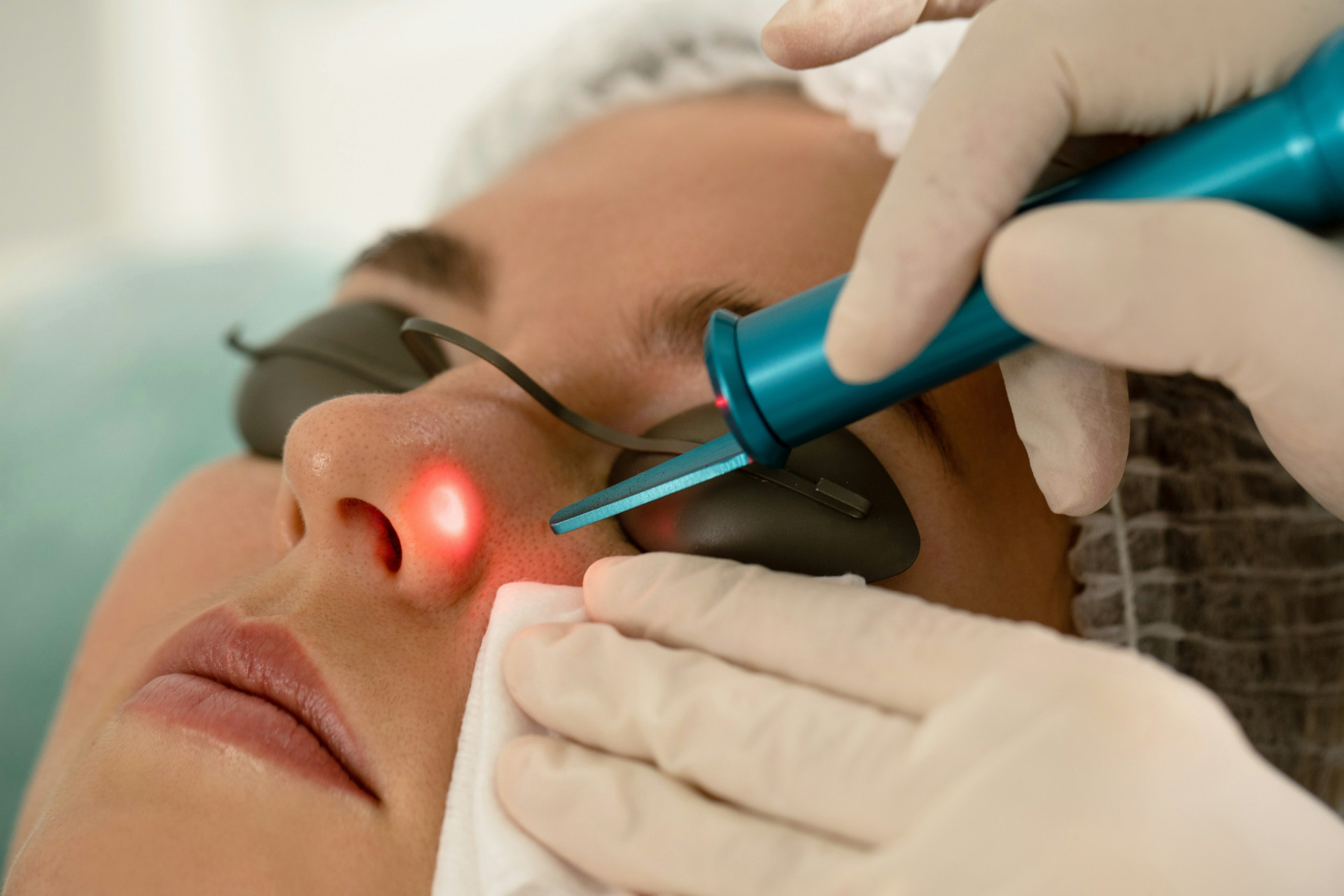
Laser treatments can be an effective way to address uneven skin tone, acne scars, or pigmentation issues. But to truly understand how your skin is responding—and to appreciate the improvements over time—it’s worth documenting your progress. Keeping track of your skin’s changes helps both you and your provider evaluate results and make any necessary adjustments along the way. Here’s a guide to documenting your skin’s journey after laser treatment.
Why Documentation Matters
Your skin goes through several stages of healing after a laser procedure. Redness, swelling, and flaking are common in the first few days, while smoother texture and more even tone often appear gradually over weeks or months. Without documentation, it can be hard to remember exactly how your skin looked before or how it’s changed over time.
By tracking your progress, you can:
- See gradual improvements – subtle changes become more noticeable when you compare photos.
- Evaluate treatment effectiveness – both you and your provider can assess whether the results meet expectations.
- Adjust your skincare routine – documentation can reveal how your skin responds to different products or habits.
- Stay motivated – seeing visible progress can reassure you that healing is happening, even if it takes time.
Læs også:
Take Clear Before-and-After Photos
Photos are the most reliable way to document your skin’s progress. To make them useful, consistency is key.
- Lighting: Use natural daylight whenever possible and avoid harsh shadows. Take photos in the same location and at the same time of day.
- Angles: Capture your face from the front and both sides for a complete view. A tripod or a friend’s help can ensure consistent framing.
- Background: Choose a plain, neutral background so the focus stays on your skin.
- Camera: A smartphone camera is usually sufficient—just make sure the lens is clean and the image is in focus.
Store your photos in a dated folder so you can easily track changes week by week.
Keep a Simple Skin Journal
In addition to photos, a short written log can help you understand how your skin feels and reacts. You don’t need to write much—just a few lines each week can be enough.
You might include:
- The date of your treatment and any follow-up sessions.
- How your skin feels (redness, dryness, itching, peeling).
- The products you’re using for cleansing, moisturizing, and sun protection.
- Lifestyle factors like diet, sleep, or stress that could influence your skin.
This kind of record helps you connect the dots between your skincare routine, lifestyle, and results.
Use Digital Tools
There are several apps and online platforms designed to help you track skincare progress. Some dermatology clinics in the U.S. also offer patient portals where you can upload photos and communicate securely with your provider.
Digital tools can help you:
- Compare photos side by side.
- Set reminders for when to take new pictures.
- Share updates safely with your provider.
Choose a system that fits your preferences—the key is to use it consistently.
Collaborate With Your Provider
Your dermatologist or laser specialist is your best resource for interpreting results. Sharing your documentation allows you both to see how your skin is responding and whether your treatment plan needs adjustments.
Many clinics take their own before-and-after photos, but your personal documentation can fill in the gaps between visits. It’s especially helpful if you notice unexpected reactions or have questions during recovery.
Be Patient and Realistic
Healing takes time. Most laser treatments deliver gradual improvements over several weeks or months. Your documentation can help you appreciate progress even when it feels slow.
Avoid comparing your results to others—skin type, age, and treatment intensity all play a role. Instead, use your own photos and notes as a personal reference for how far you’ve come.
An Investment in Your Skincare Journey
Documenting your skin’s progress isn’t just about capturing impressive before-and-after shots. It’s a way to take an active role in your treatment journey—with awareness, patience, and collaboration. When you can see your skin’s steady improvement, the process becomes more rewarding and empowering.
Læs også: