Less Waste in the Bathroom: Sustainable and Reusable Hair Removal Solutions


Less Waste in the Bathroom: Sustainable and Reusable Hair Removal Solutions
For many Americans, hair removal is part of a regular self-care routine—but it often comes with a lot of waste. Disposable razors, plastic packaging, and single-use wax strips quickly add up in the trash. The good news is that there are now plenty of sustainable alternatives that are gentle on both your skin and the planet. Here’s how you can make your hair removal routine more eco-friendly without sacrificing results.
The Disposable Razor’s Greener Replacement
The classic disposable razor is convenient but far from sustainable. Most are made from a mix of plastic and metal, which makes them difficult to recycle. A great alternative is the safety razor—a durable metal razor where you only replace the blade. It can last for years, and the used blades can be collected and recycled as scrap metal.
Another option is a rechargeable electric razor, which can be used again and again. While the upfront cost is higher, it pays off over time—both financially and environmentally.
Waxing and Sugaring: Natural Alternatives to Single-Use Strips
Waxing is effective, but many products come in plastic containers and rely on disposable strips. A more sustainable choice is sugaring, a method that uses a simple mix of sugar, water, and lemon juice. You can make it at home, and the residue rinses off easily with warm water—no chemicals or waste required.
If you prefer waxing, look for reusable fabric strips that can be washed and used multiple times. Some brands also offer wax in refillable or glass containers instead of plastic, helping you cut down on packaging waste.
Epilators and IPL: Long-Lasting Solutions
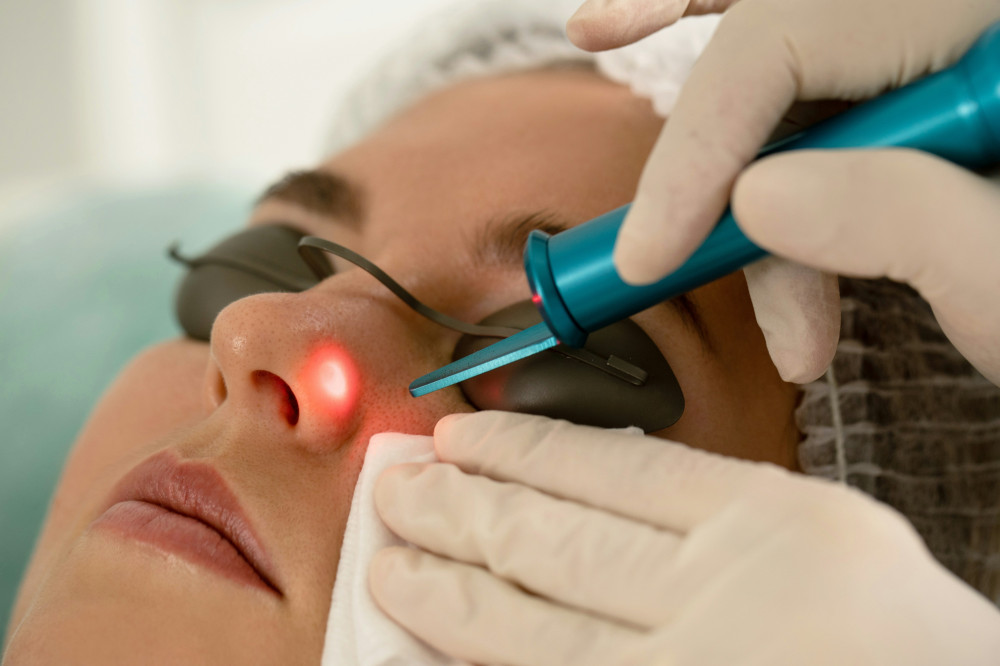
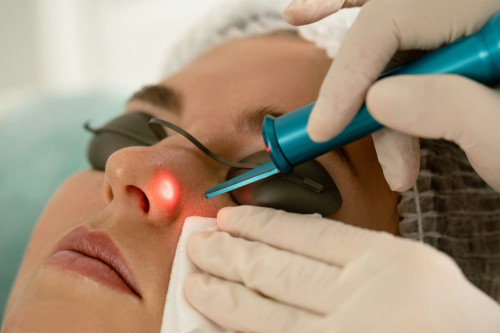
If you want to minimize waste as much as possible, consider investing in an epilator or an IPL (Intense Pulsed Light) device. Both methods remove hair for longer periods, reducing the need for frequent shaving and disposable products.
- Epilators pull hair out from the root and can last for many years with proper care.
- IPL devices use light pulses to slow hair growth over time—a long-term investment that can significantly reduce waste.
Although these devices require electricity, their overall environmental impact is often lower than constantly buying and discarding single-use items.
Plastic-Free and Natural Aftercare
After hair removal, your skin needs soothing care. Many conventional creams and foams come in plastic packaging, but there are eco-friendly alternatives:
- Shaving soaps and oils in solid or refillable formats, often packaged in paper or metal.
- Natural oils like coconut, jojoba, or almond oil can double as shaving lubricants and moisturizers.
- Refillable containers make it easy to buy in bulk and reduce packaging waste.
Choosing products with natural ingredients also helps you avoid microplastics and unnecessary additives.
Small Habits, Big Impact
Making your hair removal routine more sustainable isn’t just about switching products—it’s also about changing habits. Try to:
- Shave or wax less frequently if that feels right for you.
- Choose quality over quantity—durable tools save money and resources in the long run.
- Recycle properly so that metal blades, glass jars, and packaging can be reused.
Even small changes in your bathroom routine can make a noticeable difference for the environment.
Læs også:



A Greener Routine You Can Feel Good About
Sustainable hair removal doesn’t mean giving up comfort—it’s about making smarter choices. With reusable tools, natural ingredients, and less packaging, you can create a routine that feels good for you and does good for the planet.
Læs også: