Sustainable Clothing Choices: Choose Materials, Fit, and Quality with Care

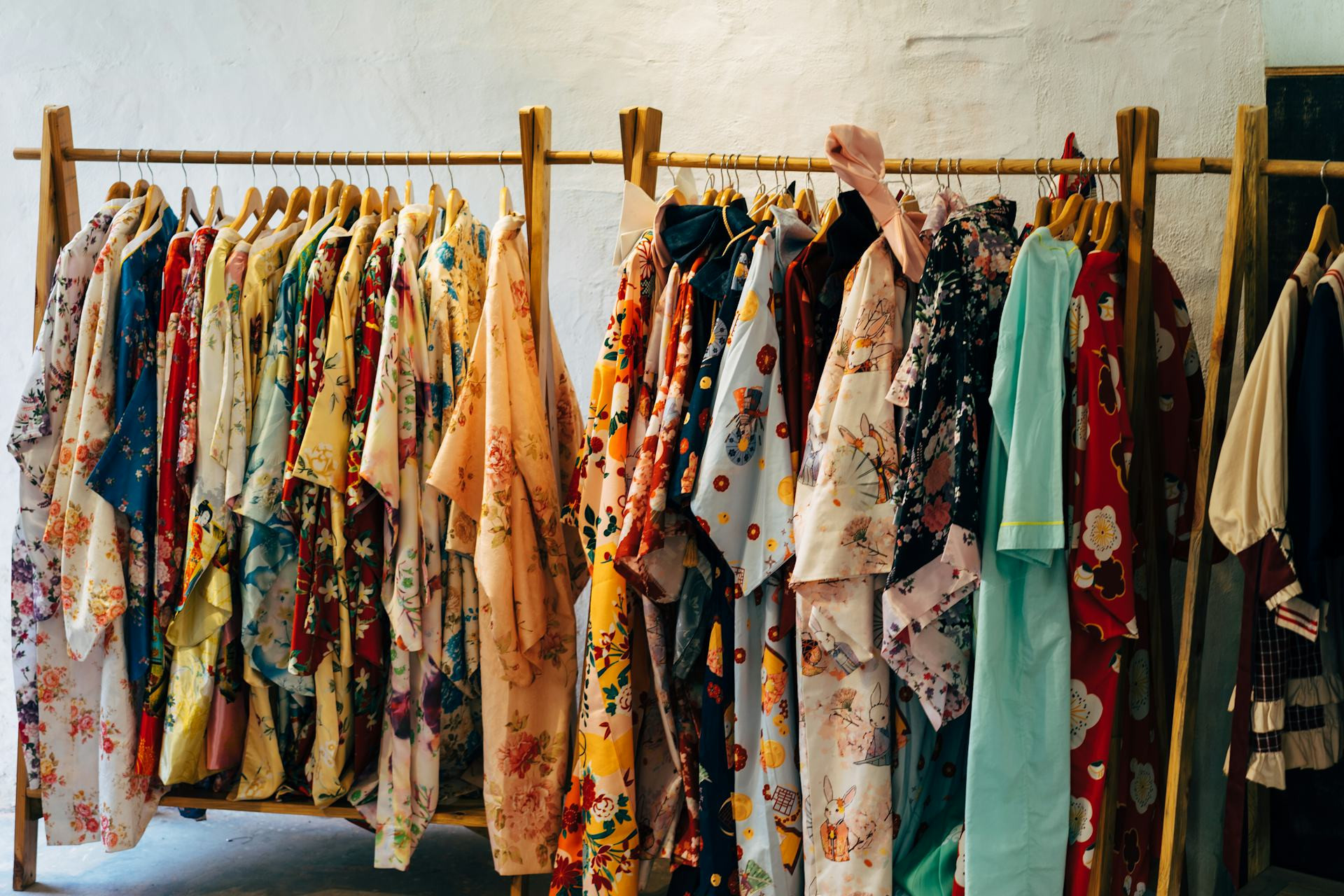
Sustainable Clothing Choices: Choose Materials, Fit, and Quality with Care
Buying clothes with care isn’t just about keeping up with trends—it’s about taking responsibility for the environment, the people who make our clothes, and the longevity of our wardrobes. Sustainable clothing choices start with mindful decisions: What materials do you choose? How does the clothing fit? And how long will it last? Here’s a guide to making your wardrobe more responsible—without sacrificing style or comfort.
Know Your Materials – Natural, Recycled, and Innovative
The fabric is one of the most important factors when it comes to sustainable fashion. Different textiles have very different environmental footprints, both in production and in use.
- Organic cotton is grown without pesticides or synthetic fertilizers, protecting soil and water systems. It still requires a lot of water, so choose it thoughtfully.
- Linen and hemp are among the most sustainable natural fibers. They grow quickly, need little water, and require few or no chemicals.
- Wool is a natural, durable material that works year-round. Look for certifications that ensure animal welfare and responsible farming practices.
- Recycled materials, such as recycled polyester or nylon, reduce the need for new petroleum and help minimize waste. They’re great for activewear and outerwear.
- Innovative fibers like Tencel (lyocell) and modal are made from wood pulp sourced from sustainably managed forests and require less water and energy than cotton.
When shopping, check the labels. Certifications such as GOTS (Global Organic Textile Standard), OEKO-TEX, and Fair Trade can help you identify products that meet environmental and ethical standards.
Fit and Style – Buy What You’ll Actually Wear
One of the most sustainable choices you can make is to buy clothes you’ll truly wear. Many of us have closets full of items that rarely see the light of day. That’s why fit and style matter.
Choose clothing that fits your body and your lifestyle—not just what’s trending right now. Classic cuts and neutral colors tend to last longer, both in fashion and in your wardrobe. Try things on carefully and ask yourself: Does it feel comfortable? Can I move freely? Will I wear it for different occasions?
A helpful rule of thumb is to think in combinations. If you can pair a new piece with at least three items you already own, it’s more likely to become a staple in your rotation.
Quality Over Quantity
Sustainability is also about durability. A well-made garment that lasts for years is far better for the planet than several cheap ones that wear out quickly.
Inspect seams, buttons, and zippers before buying. The fabric should feel sturdy, and the stitching should be even and tight. Avoid items that already look worn in the store—they rarely improve with washing.
While quality often costs more upfront, it pays off over time. You’ll have clothes that keep their shape and color, and you won’t need to replace them as often. That’s good for both the environment and your wallet.
Care and Maintenance – Extend the Life of Your Clothes
Even the most sustainable clothing loses its value if it’s not cared for properly. Fortunately, a few simple habits can make your clothes last much longer.
- Wash less often – sometimes airing out your clothes is enough. Every wash wears down fibers and uses water and energy.
- Wash cold – most fabrics get clean at lower temperatures, saving energy and preserving color.
- Use gentle, eco-friendly detergents and skip fabric softeners, which can damage fibers.
- Repair instead of replacing – a missing button or small tear can easily be fixed. Many communities have repair cafés or sewing workshops that can help.
- Store properly – hang shirts and dresses, and fold knits to prevent stretching.
Taking care of your clothes shows respect for the resources and labor that went into making them.
Læs også:


Think Circular – Reuse, Swap, and Resell
When you no longer wear something, it doesn’t have to end up in the trash. There are many ways to give clothing a second life.
- Sell or swap items that are still in good condition. Online resale platforms and local clothing swaps make it easy.
- Donate to thrift stores or charities, but make sure the clothes are clean and wearable.
- Get creative with upcycling – turn old jeans into shorts or use fabric scraps for tote bags or home projects.
- Rent clothing for special occasions instead of buying something you’ll only wear once.
The longer a piece of clothing stays in use, the smaller its overall environmental impact becomes.
A Conscious Choice for Everyday Life
Sustainable fashion isn’t about being perfect—it’s about taking small, thoughtful steps in the right direction. Every time you choose quality over quantity, natural fibers over synthetics, and repair over replacement, you make a difference.
Style and responsibility can absolutely go hand in hand—it just takes a bit of awareness before you buy. With mindful choices, your wardrobe can be both beautiful and sustainable.
Læs også: