Cavities Explained – What Really Happens When Tooth Enamel Breaks Down?

Cavities Explained – What Really Happens When Tooth Enamel Breaks Down?
Most people have experienced a cavity—or at least the worry that one might be forming when the dentist studies your X-rays with a serious look. But what’s actually happening when a cavity develops? Why are some people more prone to them than others, and can the damage ever be reversed once enamel starts to break down? Here’s a closer look at what goes on inside your mouth when bacteria, sugar, and time combine in an unfortunate way.
Enamel – The Body’s Hardest Substance
Tooth enamel, the outermost layer of your teeth, is the hardest material in the human body. It’s made almost entirely of minerals—mainly calcium and phosphate—and acts as a protective shield against wear and acid attacks. But even though enamel is incredibly strong, it isn’t indestructible. Once it’s lost, the body can’t regenerate it, which is why prevention is so important.
Beneath the enamel lies dentin, a softer, more porous layer. If acid reaches this layer, bacteria can quickly penetrate deeper into the tooth, leading to a full-blown cavity.
When Bacteria Get to Work
Your mouth is home to millions of bacteria—most of them harmless. But some, especially Streptococcus mutans, thrive on sugar. When you eat or drink something sweet, these bacteria convert the sugar into acid. That acid lowers the pH in your mouth and begins dissolving the minerals in your enamel.
Normally, saliva helps neutralize the acid and restore lost minerals. But if sugar is constantly present, your teeth don’t get enough time to recover. Over time, small white spots may appear—these are the first signs of early tooth decay.
From Early Damage to a Cavity
A cavity doesn’t appear overnight. It starts with the gradual loss of minerals in the enamel, weakening the surface. If the process continues, the enamel breaks down, and bacteria gain access to the dentin. Because dentin is softer and contains tiny channels leading toward the nerve, decay progresses more quickly at this stage.
Once bacteria reach the inner layers, you may start to feel sensitivity, pain, or discomfort when eating something hot, cold, or sweet. If left untreated, the infection can spread to the nerve, causing inflammation and possibly requiring a root canal.
Sugar, Time, and Hygiene – The Three Key Factors
Three main factors determine whether cavities develop:
- Sugar intake – The more often you consume sugary foods or drinks, the more acid attacks your teeth endure. Frequency matters just as much as quantity.
- Oral hygiene – Brushing regularly with fluoride toothpaste removes plaque and strengthens enamel. Fluoride helps rebuild lost minerals and makes enamel more resistant to acid.
- Time – Your teeth need breaks between meals so saliva can neutralize acids. Constant snacking gives bacteria a steady supply of fuel.
Can a Cavity Heal on Its Own?
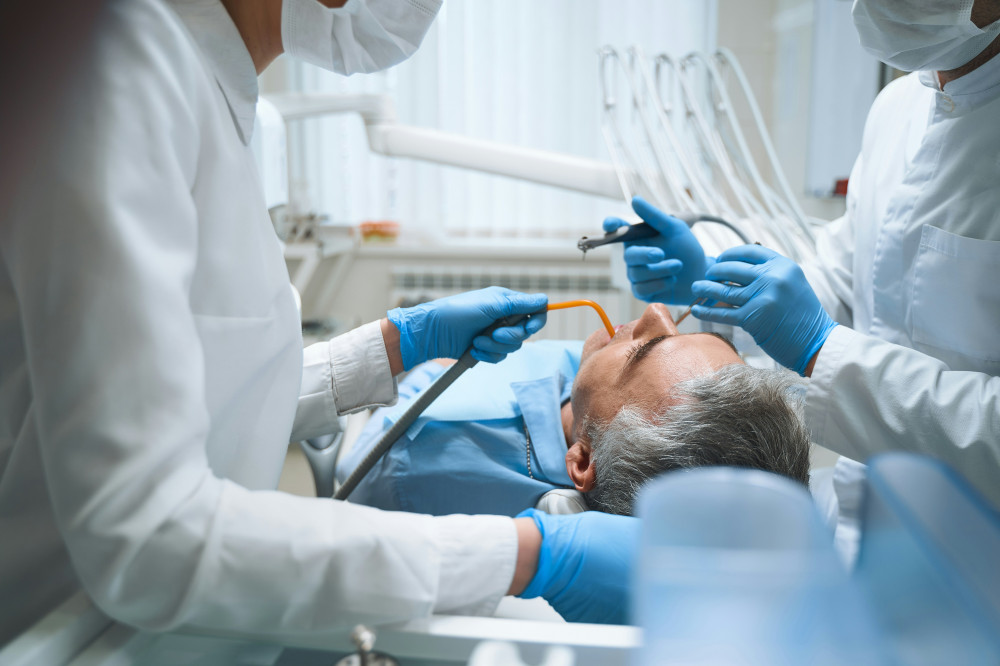
If decay is caught early—when enamel is just starting to lose minerals but hasn’t yet broken down—the process can be stopped and even reversed. Fluoride, good oral hygiene, and dietary changes can help enamel remineralize. But once a cavity has formed, it won’t heal by itself. The dentist must remove the decayed tissue and fill the space with a material such as composite resin.
Læs også:


How to Prevent Cavities
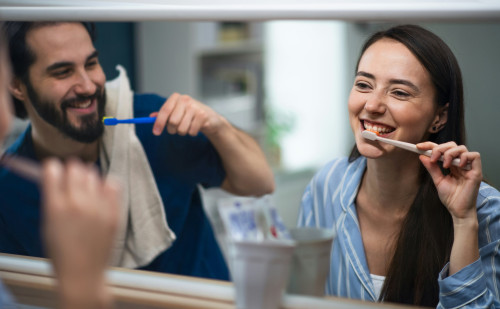
Cavity prevention is about more than just brushing—it’s about your daily habits:
- Brush twice a day with fluoride toothpaste.
- Floss or use interdental brushes to remove plaque between teeth.
- Limit sugary snacks and drinks, especially between meals.
- Rinse with water after consuming acidic beverages like soda or juice.
- Visit your dentist regularly—small problems are easier to fix than big ones.
A Small Cavity, a Big Message
A cavity might seem like a minor issue, but it tells a bigger story about the balance in your mouth. When bacteria, sugar, and time work together, even the strongest enamel can give way. The good news? With simple daily habits, you can keep that balance in check—and maintain a healthy, confident smile for life.
Læs også: