Facial Expressions and Wrinkles: Become Aware of Your Eye-Area Habits


Facial Expressions and Wrinkles: Become Aware of Your Eye-Area Habits
Smiling, laughing, frowning, and concentrating — our facial expressions reveal so much about who we are and how we feel. But the small, repeated movements around the eyes also leave their mark on the skin over time. These so-called expression lines, often appearing as fine lines or “crow’s feet,” are a natural part of aging. Still, becoming aware of your habits and caring for your skin can make a difference in how the delicate eye area changes over the years.
Why the Skin Around the Eyes Is Especially Vulnerable
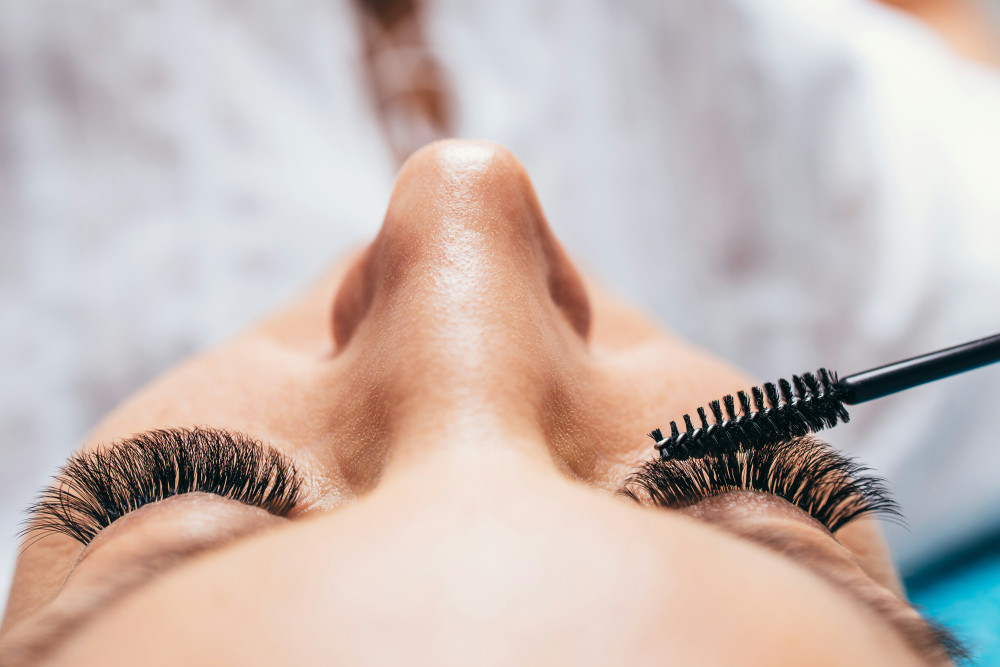
The skin around the eyes is thinner and more fragile than the rest of the face. It has fewer oil glands and less collagen, which means it loses moisture and elasticity more easily. At the same time, this area is constantly in motion — we blink, smile, squint in bright light, and express emotions through subtle muscle movements.
Over time, these repeated motions can lead to permanent lines. That’s not necessarily a bad thing — wrinkles can reflect character and life experience — but many people want to maintain a fresh, open look for as long as possible.
Læs også:



Common Facial Habits That Affect the Eye Area
Many of our facial habits happen without us realizing it. Here are some of the most common movements that influence the skin around the eyes:
- Squinting – often due to sunlight or vision issues. This tightens the small muscles around the eyes and can deepen lines over time.
- Raising the eyebrows – a reflex when trying to look more alert, but it can create horizontal forehead lines and pull on the skin near the eyes.
- Smiling broadly – a joyful expression, but repeated movement can eventually form the classic smile lines.
- Tensing the face while concentrating – many people do this unconsciously, especially when working on a computer or reading on a phone.
Becoming aware of these habits is the first step toward adjusting them.
How to Become More Aware of Your Facial Movements
The goal isn’t to stop expressing emotions — it’s about finding balance. Try noticing when you tense your face or squint your eyes. You can:
- Check your reflection a few times a day — do you look tense even when you feel relaxed?
- Pay attention to your reactions — do you squint when reading small text or stepping outside in bright light?
- Practice relaxation — take a deep breath and consciously release tension in your forehead and around your eyes.
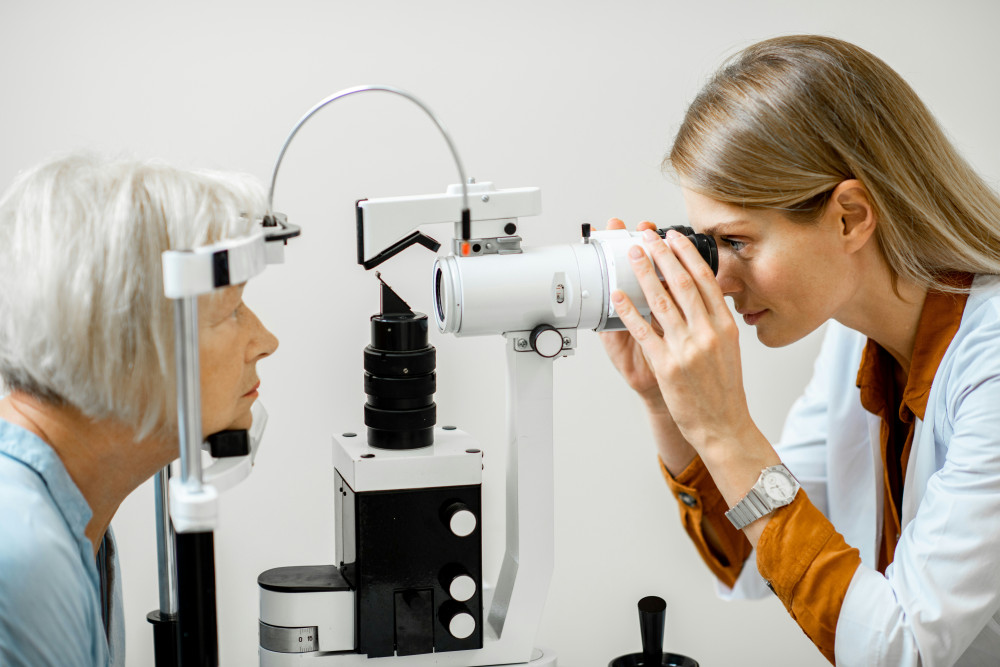
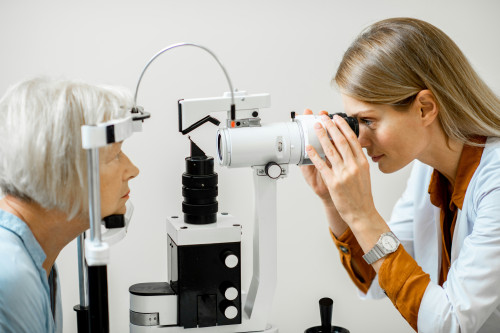
- Get your vision checked — if you often squint, you might need glasses or an updated prescription.
Small adjustments in daily life can reduce unnecessary tension and help your skin stay smoother for longer.
Care and Prevention
While expression lines can’t be completely avoided, you can support your skin with good care and healthy habits:
- Use sun protection – UV rays break down collagen and accelerate wrinkle formation. A daily facial sunscreen is one of the best anti-aging tools.
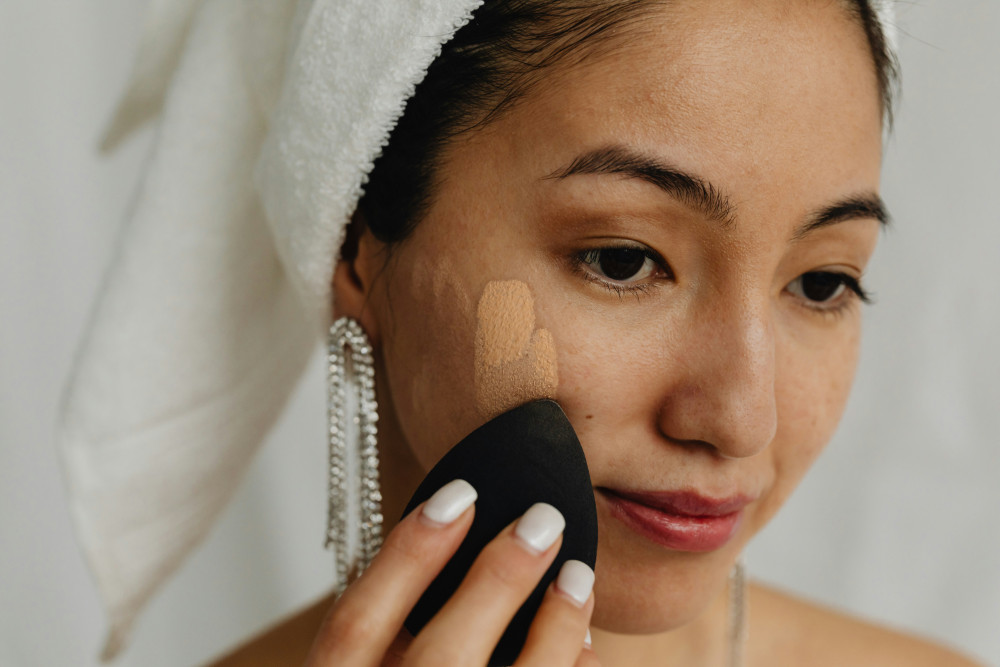
- Keep the skin hydrated – a lightweight eye cream with ingredients like hyaluronic acid can help maintain elasticity.
- Get enough sleep and stay hydrated – fatigue and dehydration make the skin more prone to fine lines.
- Avoid rubbing your eyes – this can irritate the delicate skin and cause micro-damage over time.
- Try gentle facial massage – light massage can boost circulation and ease muscle tension around the eyes.
Consistency is key — small, regular routines make a big difference over time.
Acceptance and Balance
Wrinkles are a natural part of life; no skin stays perfectly smooth forever. Becoming aware of your facial habits isn’t about erasing expression but about caring for yourself. When you learn to relax your face and treat your skin with attention, you can maintain a lively, natural look — with lines that tell your story in the most beautiful way.
Læs også: