Eat Your Way to Healthy Eyes: Diet, Sleep, and Lifestyle in Harmony


Eat Your Way to Healthy Eyes: Diet, Sleep, and Lifestyle in Harmony
Our eyes work tirelessly from morning to night—taking in light, color, and movement, and helping us make sense of the world around us. But just like the rest of the body, they need proper nourishment, rest, and care to function at their best. Many people only start thinking about eye health when their vision begins to change, yet there’s a lot you can do to protect your sight throughout life. Here’s how diet, sleep, and lifestyle can work together to keep your eyes healthy and strong.
Nourish Your Eyes from the Inside Out
Your eyes are delicate organs, and their health depends greatly on what you eat. Certain vitamins and minerals help protect against damage from free radicals and may lower the risk of age-related eye diseases such as cataracts and macular degeneration.
- Vitamin A is essential for the retina and for seeing in low light. You’ll find it in carrots, sweet potatoes, spinach, and liver.
- Vitamins C and E act as antioxidants that protect eye cells from oxidative stress. Citrus fruits, berries, nuts, and leafy greens are excellent sources.
- Zinc helps your body absorb vitamin A and supports the health of the retina. It’s found in meat, shellfish, beans, and whole grains.
- Omega-3 fatty acids from fatty fish like salmon, sardines, and trout help maintain a healthy tear film and may reduce dry eye symptoms.
A colorful plate is often a healthy one—the more natural colors you include, the wider the range of nutrients you get. Think of eating the rainbow: red peppers, orange carrots, yellow corn, green kale, blueberries, and purple cabbage all bring something unique to your eyes and overall health.
Sleep: The Eyes’ Most Important Reset
When you sleep, your eyes finally get a chance to rest and repair. During the night, they are rehydrated, and cells in the cornea and retina regenerate. Too little sleep can lead to dry, red, or irritated eyes—and over time, it can even affect visual sharpness.
Most adults need 7–9 hours of sleep each night. If you often wake up with tired or burning eyes, it might be a sign that you’re not getting enough rest or that your bedroom air is too dry. Keep your room well-ventilated, avoid screens before bed, and consider using a humidifier if the air feels dry.
A simple daily habit can also help: follow the 20-20-20 rule. Every 20 minutes, look at something 20 feet away for 20 seconds. This relaxes your eye muscles and helps prevent digital eye strain.
Lifestyle Habits That Protect Your Vision
Beyond diet and sleep, your daily habits play a major role in eye health. Smoking, stress, and excessive screen time are among the biggest threats.
- Quit smoking. Smoking reduces blood flow to the eyes and increases the risk of cataracts and macular degeneration. Quitting is one of the best things you can do for your vision.
- Stay active. Regular exercise improves circulation and helps regulate blood pressure and cholesterol—factors that also affect the tiny blood vessels in your eyes.
- Manage screen time. Make sure your workspace is well-lit, keep screens at a comfortable distance, and take regular breaks. Remember to blink often—many people blink less when concentrating, which can lead to dryness and irritation.
And don’t forget your sunglasses. UV rays can damage the cornea and increase the risk of cataracts. Choose sunglasses labeled with UV400 protection, and wear them even on cloudy days.
Læs også:


When Your Eyes Signal a Problem
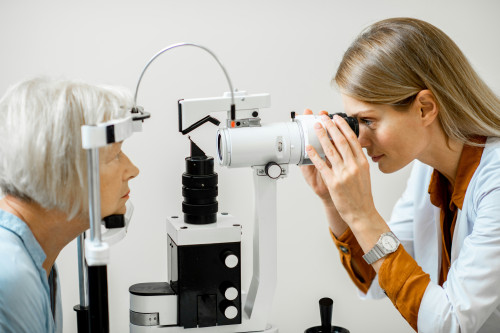
Your eyes can reveal a lot about your overall health. Sudden changes in vision, double vision, flashes of light, or persistent dryness should never be ignored. These symptoms can signal anything from blood sugar imbalances to early signs of eye disease.
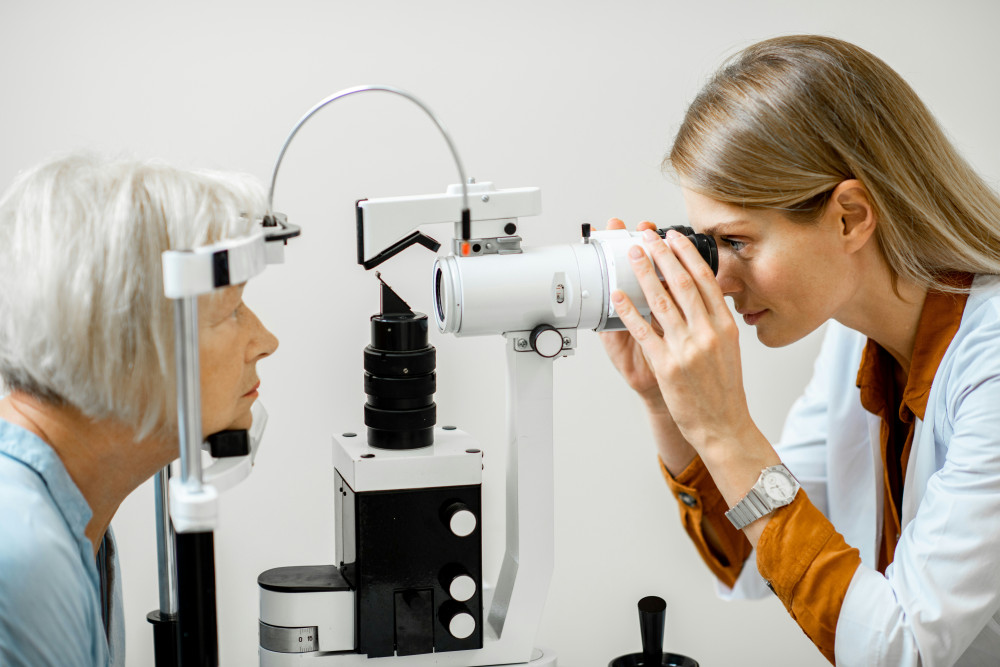
Regular eye exams are a smart investment—even if you don’t notice any problems. Many eye conditions develop slowly and without obvious symptoms at first, and early detection can make all the difference.
Finding Harmony in Everyday Life
Caring for your eyes doesn’t require drastic changes—just consistent, mindful habits. Eat a balanced diet, get enough sleep, move your body regularly, and give your eyes breaks from screens. When diet, rest, and lifestyle work in harmony, you’ll not only support your vision but also boost your energy, focus, and overall well-being.
Your eyes are your window to the world. Treat them with the care they deserve.
Læs også: