Eye Drops Without Fear – Tips for an Easier Routine


Eye Drops Without Fear – Tips for an Easier Routine
For many Americans, eye drops are part of daily life—whether for dry eyes, allergies, or managing an eye condition. Yet, using them can feel awkward or even stressful. Some people worry about missing the eye, while others dislike the sensation of the drop itself. The good news is that a few simple habits can make the process much easier and more comfortable. Here are some practical tips to help you use eye drops without fear.
Understand Why Eye Drops Matter
Eye drops work best when used correctly and consistently. They can moisturize, relieve irritation, or deliver medication directly to the eye’s surface. Skipping doses or applying them incorrectly can reduce their effectiveness and allow symptoms to return.
Taking a few minutes to learn the right technique pays off. Once you’ve established a routine, using eye drops becomes as natural as brushing your teeth.
Set the Right Environment
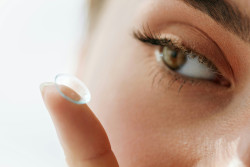
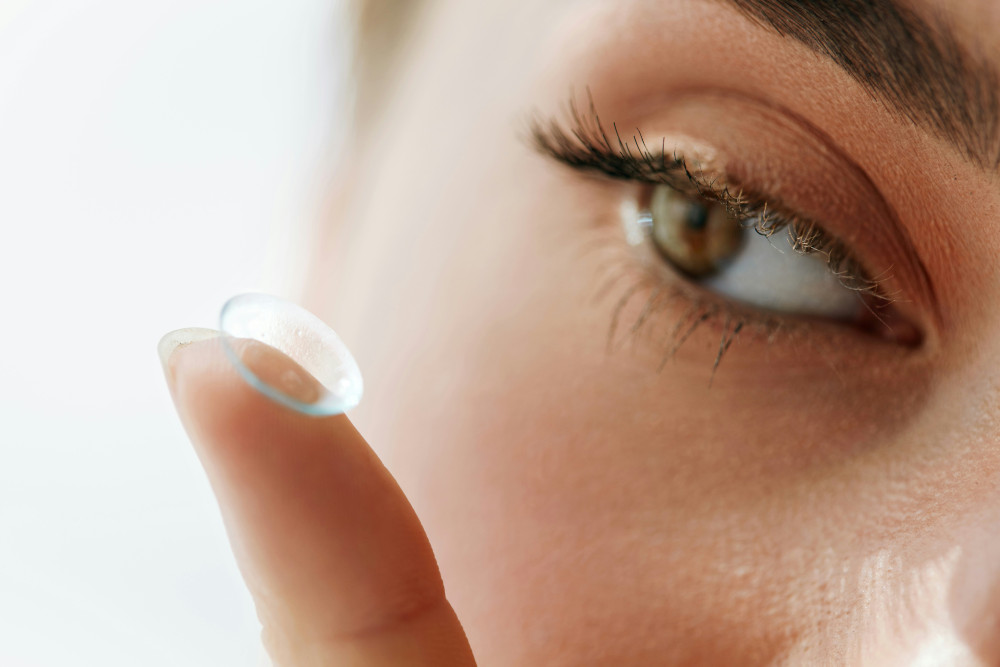
A calm, well-lit space makes applying eye drops easier. Wash your hands thoroughly, and if you wear contact lenses, remove them unless your eye doctor has told you otherwise. Some people prefer sitting at a table and resting an elbow for stability, while others stand in front of a mirror. Find the position that feels most secure for you.
Step-by-Step Guide
- Wash your hands thoroughly to reduce the risk of infection.
- Shake the bottle if the label instructs you to.
- Tilt your head back slightly and look up toward the ceiling.
- Gently pull down your lower eyelid to create a small pocket.
- Hold the bottle close to your eye, but don’t let the tip touch your skin, lashes, or eye surface.
- Squeeze out one drop into the pocket, then close your eye slowly.
- Press gently on the inner corner of your eye for about 30 seconds to keep the drop from draining away.
- Wipe away any excess fluid with a clean tissue.
If you use more than one type of eye drop, wait a few minutes between each to prevent dilution.
Make It Part of Your Routine
Remembering to use your drops can be tricky. Set a reminder on your phone or keep the bottle somewhere you’ll see it daily—like next to your toothbrush. Some people find it helpful to keep a small log, especially if they’re using prescription drops.
If you struggle to aim the drop correctly, consider using an eye drop guide or drop assist device, available at most pharmacies. These tools help steady your hand and direct the drop more accurately.
Læs også:



Overcoming Discomfort
It’s normal to feel a slight sting or tickle when the drop hits your eye. This usually fades quickly, but if irritation persists, talk to your eye doctor—there may be a gentler formula available.
If you’re nervous, practice with artificial tears first. They’re medication-free and can help you get comfortable with the technique. With time, the process will feel much less intimidating.
Long-Term Use and Safety
For chronic conditions like glaucoma or severe dry eye, it’s important to follow your treatment plan exactly as prescribed. Don’t stop using your drops without consulting your doctor, even if your symptoms improve.
Check the expiration date and note when you open a new bottle. Most eye drops should be discarded 4–6 weeks after opening to avoid contamination. Writing the opening date on the label can help you keep track.
A Small Effort with Big Benefits
Using eye drops correctly takes a bit of practice, but the rewards are worth it—better comfort, improved eye health, and more effective treatment. With calm movements, consistent habits, and a little patience, you can make applying eye drops a simple, stress-free part of your daily routine.
Læs også: