Puffiness Under the Eyes: What’s Really Happening in the Skin and Tissue?


Puffiness Under the Eyes: What’s Really Happening in the Skin and Tissue?
Most of us have been there: you wake up, glance in the mirror, and notice those telltale puffy areas under your eyes. For some, they fade within an hour; for others, they seem to have taken up permanent residence. But what’s actually happening beneath the skin when the area under your eyes swells? And why does it affect some people more than others?
A Delicate Area with Thin Skin
The skin under the eyes is among the thinnest on the body—only about half a millimeter thick. Because it’s so delicate, even small changes in fluid balance, blood flow, or fat distribution can become visible right away. Beneath this thin layer lies a network of tiny blood vessels and lymphatic channels that help move fluid and waste products away from the area.
When that system is disrupted, fluid can accumulate in the loose connective tissue, leading to swelling—what we commonly call “bags” under the eyes.
Fluid Retention and Circulation
One of the most common causes of puffiness is fluid retention. This can happen for many reasons: lack of sleep, a salty dinner, allergies, or hormonal changes. When the body retains fluid, it often collects in areas where the tissue is soft and flexible—like around the eyes.
At night, when you’re lying flat, fluid redistributes throughout the body. That’s why puffiness tends to be most noticeable in the morning and gradually improves as you move around and gravity helps the fluid drain.
The Role of Fat Pads and Aging
As we age, structural changes occur in the tissues around the eyes. Small fat pads that normally cushion the eyeball can start to bulge forward as the connective tissue holding them in place weakens. This creates a more permanent appearance of under-eye bags, even without extra fluid.
At the same time, the skin becomes thinner and loses elasticity, making puffiness more visible. These changes are a natural part of aging, but genetics, lifestyle, and skincare habits all influence how pronounced they become.
Everyday Factors: Sleep, Salt, and Screen Time
Lifestyle plays a major role in how the under-eye area looks. Not getting enough sleep can slow circulation and cause both dark circles and puffiness. A high-sodium diet makes the body hold onto water, which can quickly show up in the face. Staring at screens for long periods can also make the eyes feel tired and swollen, as the tiny blood vessels around them dilate.
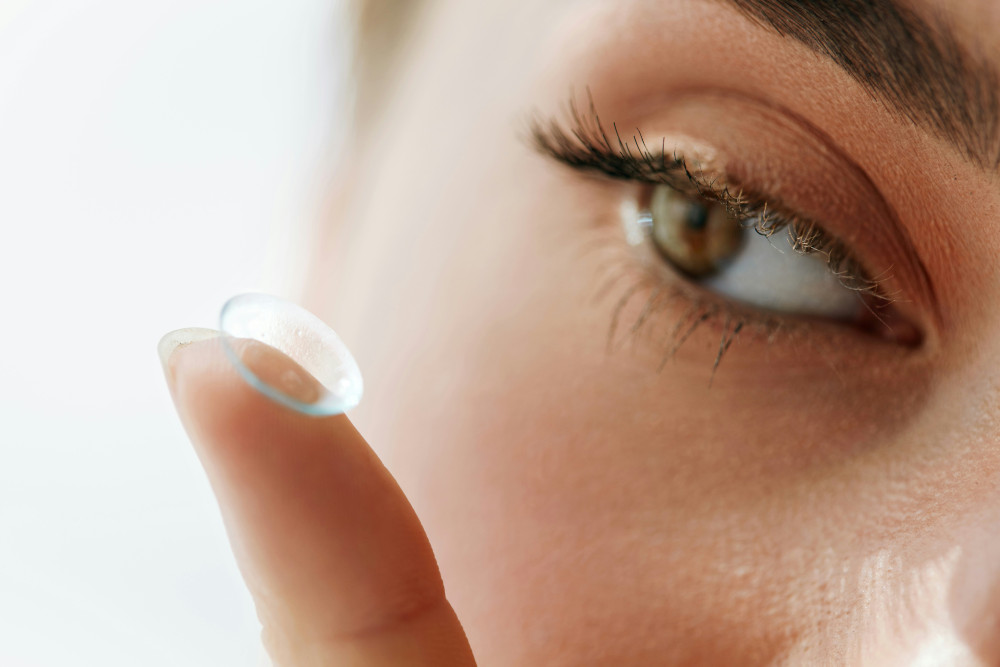
Allergies and irritation—from pollen, makeup, or contact lenses—can make you rub your eyes, which increases blood flow and inflammation, worsening the puffiness.
What You Can Do About It
While under-eye puffiness is rarely a sign of illness, it can be bothersome. Fortunately, there are several ways to reduce it:
- Sleep with your head slightly elevated to prevent fluid from pooling under your eyes.
- Cool the area with a cold washcloth, chilled spoon, or cooling eye mask—cold temperatures constrict blood vessels and reduce swelling.
- Stay hydrated and limit salty foods, especially in the evening.
- Get enough sleep and try to maintain a consistent sleep schedule.
- Use a gentle eye cream with ingredients like caffeine or peptides to support microcirculation and skin firmness.
If puffiness is persistent, uneven, or accompanied by pain, it’s worth checking with a healthcare provider. In rare cases, swelling under the eyes can be linked to thyroid issues, kidney problems, or allergic reactions.
Læs også:


When Cosmetic Treatments Come Into Play
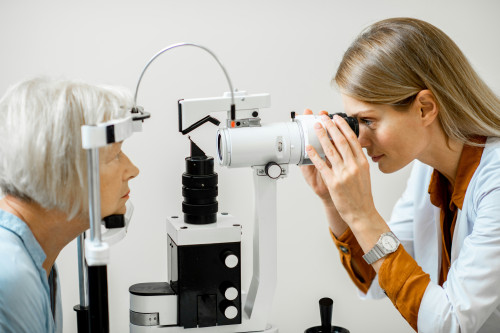
For those with more permanent under-eye bags, cosmetic treatments may be an option. Some people choose laser therapy or injectable treatments to tighten the skin, while others opt for a minor surgical procedure called blepharoplasty, which removes or repositions excess fat and skin.
Still, it’s important to remember that puffiness under the eyes is a normal part of human variation and aging. It reflects your genetics, lifestyle, and even your sleep patterns—signs of a life being lived, not necessarily flaws to be erased.
A Reflection of the Body’s Balance
Under-eye puffiness isn’t just a cosmetic concern; it’s a small window into your body’s internal balance. It can reveal whether you’ve had enough rest, hydration, or perhaps a bit too much salt. Understanding what’s happening in the skin and tissue helps you care for the area more effectively—and maybe even see those morning puffs as gentle reminders from your body, rather than imperfections to hide.
Læs også: